October 2023 – Junto and Kaffa

Junto Ethiopia Worka – I don’t have too much of a story on this one, Worka is a massive washing station as this subscription surely knows by now with around 2540 active members operating on super small plots of land. I taste strawberry Jam, sour cherry, and earl grey tea. Super delicate profile on this one but an absolutely identifiable washed Ethiopia. I brewed this with a 15.2:1 ratio, and ground it six clicks coarser than my usual starting point (my standard Ethiopia grind). I poured a 30 second bloom, and then poured two pulses spaced out by 45 seconds. My final brew time was 2:40.

Junto Papua New Guinea Kuta Kofi Mill – Kuto Kofi Mill is located in a region of Papua New Guinea with rich volcanic loamy soil and a humid climate perfect for coffee growing. The coffee is grown by various local smallholding farmers located at 1600 MASL and is a field blend of Bourbon, Typica, and Arusha. I tasted black tea, cider, and a subtle mango finish. Not super fruity mango, but the essence is there. I brewed this with a 16.3:1 water to coffee ratio, and ground it right at my typical starting point. I poured four pulses spaced out by 35 seconds with wider than usual circles to slow down the brew. My final brew time was 3:35.

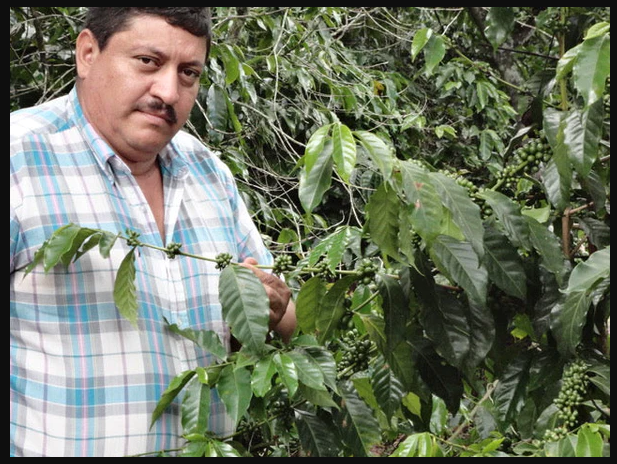
Kaffa Guatemala Bella Carmona – A natural processed Bourbon from right outside the city of Antigua, Guatemala?? Definitely a first. Last I heard, only around 5% of exported coffee from Guatemala is natural processed. Bella Carmona is run by producer Maria Zelaya Aguirre at the base of Vulcan de Aqua, just south of Antigua. Maria is part of the Zelaya family, a well-known family in Guatemalan coffee production that owns one of the largest exporting businesses in the country called Zelcafe. This coffee has such a lush profile; I tasted deep red fruit notes, cherry, and overall just super sweet. Unhateable, I might say. I brewed this with a 16.5:1 ratio and ground it two clicks finer than my typical grind setting. I poured three pulses spaced out by 40 seconds, finishing my third pour at 2:20 for a 3:10 total brew time.

Maria Zelaya Aguirre

Kaffa Brazil Sanctuario Sul – Yet another Brazil!! This makes 4 for the year if I am counting right which is WILD. A couple years ago I never would have guessed this would be happening but they are just so good! Sanctuario Sul means “Sanctuary of the South” run by producer Luiz Paulo Pereira in the Carmo de Minas region. Kaffa describes this as a sort of “test farm” rather than full production. There are over 30 distinct varietals grown here. This lot in particular is an SL28, berry-dried or natural coffee that underwent 96 hours of anaerobic whole cherry fermentation. The combination of varietal and processing method made it a no-brainer for me. I unfortunately cannot locate the elevation for this one, but from the acidity and mouthfeel of the cup I would assume it isn’t TOO low. But of course, as a Brazil, it would not be much higher than 1000-1200 MASL. This is a fun profile as long as you don’t royally f it up. Super tropical profile, much more similar to a high quality Costa Rica than Brazil. In the cup, I taste ripe raspberry, orange, and a super full body. I brewed this with a 15.6:1 ratio, and ground it four clicks finer than my typical grind setting. I poured four pulses spaced out by 30 seconds, any more and the bed would completely drain. My final brew time was 3:10, but only barely could get there without super large circles.

Sanctuario Sul Plantation

September 2023 – Lykke: The Return and Vivid

Lykke Snovatten – As mentioned with the last Lykke round, Snovatten is going to be a consistent offering every time we have Lykke. This coffee is from Agua de Nieves in Peru, the small 5 hectare farm that Lykke owns. This is my favorite of the three single-origin coffees that Lykke owns the whole farm from. The goal with this coffee is to track the changes every six or so months. The experiment is already shown to be super fun as I am tasting new flavors this time. More developed sweetness and interesting new aspects to the cup. I taste coconut, chocolate marzipan, and plum this time, whereas last time it was more marshmallow and a touch of acidity. It is still a super super light roasted profile that is peerless in the field of cups I want to drink later in the day or at night. I brewed this with a 15.5:1 ratio, and ground it right at my typical grind setting. I poured three pulses spaced out by 35 seconds, ending my last pour at 2:05 for a 3:10 brew time.

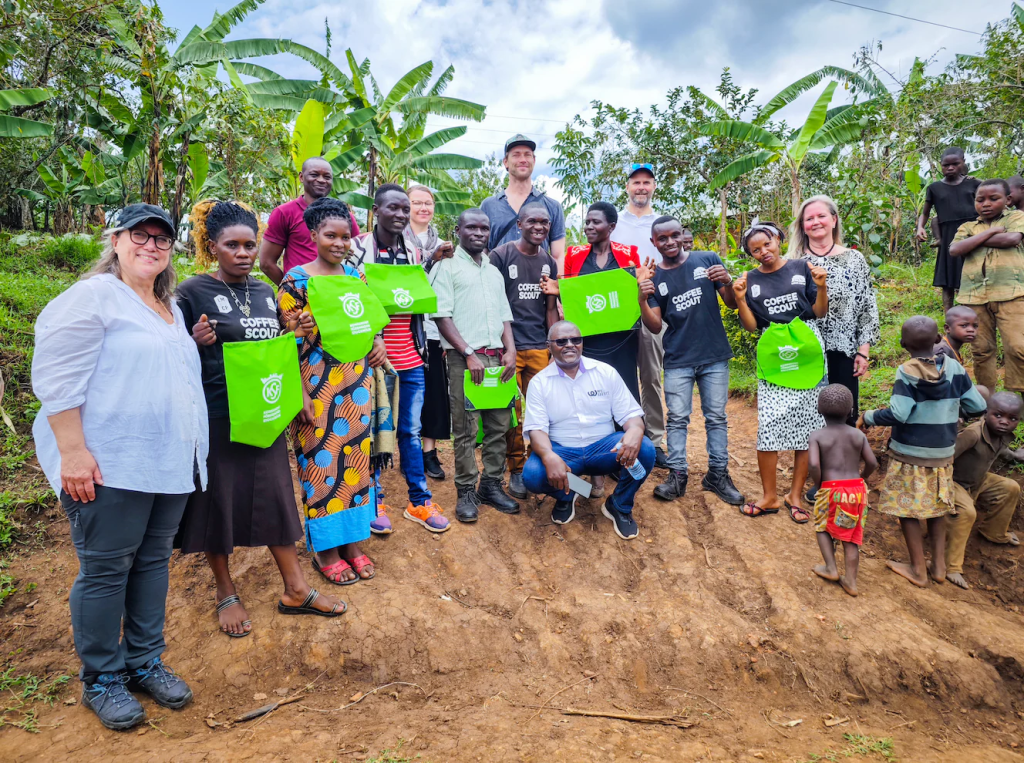
Lykke “555” Uganda – We snagged this ultra limited edition for a few reasons: the selections of coffee farmers, the selections of trees, and the strict farming practices by Lunar Coffee. Lunar Coffee is a scout program that Lykke has installed in Uganda. Throughout the western Uganda region, the potential for high quality specialty coffee is great but with bad farming practices and lack of resources the coffee will never advance to what it can be. The “555” comes from the scouts each picking 5 farmers, and allowing the farmers to choose 5 trees and then implement Lunar’s 5 best practices for production: Mulching, Pruning, Stumping, De-suckering, and Soil Conservation. This is the very first lot from this program and Lykke was so excited about it that it got me second hand excited. This cup profile is actually blueberries. The roasters tasting notes did not lie. I also tasted banana with macadamia nut butter with a graham crackery finish. I brewed this with a 16.2:1 ratio and ground it one click coarser than my typical starting point. I poured three pulses spaced out by 40 seconds, finishing my third pour at 2:25 for a 3:10 total brew time.

Lykke team with the Uganda Coffee Scouts

Vivid Kenya Kiri AA – Kenya Kiri comes from the Kirinyaga region, and Kiri is the washing station that sits on a five hectare plot of land serving the Ngiariambu farmer’s co-op. The co-op consists of about 1400 members, and has existed in the Kirinyaga county since 1997. The average elevation for these smallholding farmers is 1450 MASL in a warm, mediterranean climate. I tasted boysenberry and lavender, with a tangerine and grapefruit finish. I brewed this with a 15.7:1 ratio and ground it one click coarser than my typical starting point. I poured two pulses spaced out by 50 seconds (1st at 40 seconds, 2nd at 90 seconds), finishing my second pout at 1:55 for a 2:40 final brew time

Vivid Colombia Luis Ariel Bermuda Ramirez – A natural Caturra from Colombia, how could I not?!?! Luis Ariel Bermuda Ramirez is an outstanding producer in the Huila department in a town called Algeciras, where he owns a farm located at 1800 MASL. The cherries from this lot were harvested and delivered to the fermentation tanks in full cherry where they were left for 72 hours to ferment and develop the fun lil profile it has. After rinsing the fruit and parchment off, it was dried for 20 days in parabolic dryers. I taste papaya, starfruit, and strawberry. Ridiculously tropical cup. I brewed this with a 15.5:1 water to coffee ratio, and ground it four clicks finer than my usual grind setting. After a 45 second bloom, I poured four pulses spaced out by 30-35 seconds for a 3:20 total brew time. I recommend pouring wider circles to slow this down. This also is an exceptional coffee to try with an immersive method such as Aeropress.

August 2023 – Manhattan and… HAVE FUN!!!

Manhattan Colombia Nestor Lasso – The Nestor Lasso… We are finally sharing this newer producer’s coffee that has been on all of the menus at some of the fanciest roasters across Europe for the last few months. Nestor and his brother Adrian took over their family coffee farm and made the decision to grow specialty. Nestor and Adrian along with a neighboring farmer started “El Diviso” in the Huila department. As mentioned above, this team at El Diviso is making big time noise in the specialty coffee industry. Google searching Nestor Lasso leads to a series of links from the world’s top roasters, and for some reason hardly any in the United States. This coffee is a Typica Mejorado. The coffee undergoes pulping right after harvest, and then is oxidized at room temperature, then is fermented in warm water for 8 hours, then washed with hot water to create a thermal shock effect. The coffee is then dried to exactly 11% moisture. The attention to detail at every stage of this is crazy. Everything is recorded, and nothing done without intention. I tasted cantaloupe, subtle key lime, and strawberry rose. I brewed this with a 16.2:1 water to coffee ratio, and ground it right at my typical starting point. After a 40 second bloom, I poured four pulses spaced out by 30 seconds, finishing my last pour at 2:40 for a 3:20 final brew time.

Manhattan Brazil Ze Claudio – Ze Claudio comes from Jose Claudio in the Sao Sebastiao de Anta region. Jose Claudio studied in Portugal with the goal of owning his own farm one day in his home region of Inpaham. Jose was originally uninterested in coffee farming due to the low altitude. After a conversation with a fellow famous farmer in Brazil, and this opinion was changed. Now we are seeing an influx of incredible Brazilian coffee grown at super low altitudes. This is a Catuai grown at 750 MASL and processed as anaerobic natural. The low elevation is clear in this coffee through the super low acidity but it is super funky. I tasted Asian Pear, golden delicious apple, almond cracker, and merlot. I brewed this with a 15.8:1 ratio, and ground it two clicks finer than my typical starting point. I poured four pulses spaced out by 30 seconds, pouring wider circles to slow this brew down. I finished my last pour at 2:30 for a 3:10 total brew time.

Have Fun El Salvador Finca El Molino – Finca El Molino is a farm located in the Ahuachapan region of El Salvador, along the Cordillera de Apaneca volcanic mountain range. This is super close to the southern border of Guatemala, and is located at 1300 MASL (a decent elevation for El Salvador). The farm El Molino was bought by the Salaverria family a few years back and contains Bourbon trees that have been standing for over 40 years. Through coffee tree diseases and climate change, this is incredible to have them still standing in a coffee-producing country like El Salvador. The proximity to the volcanic range gives the soil a rich characteristic that benefits the planted trees at El Molino. This one is definitely simple. Having said that, it is so sweet. I instantly taste brown sugar, and the tasting note on the bag of baked pear is spot on. It has a profile of a fancy French dessert or financier. I ground this 2 clicks finer than my typical starting point, and brewed it with a 16.3:1 ratio. I poured a 45 second bloom, and then poured three pulses spaced out by 40 seconds with wider circles to slow the speed of the extraction down. I finished my third pour at 2:25 for a 3:20 total brew time.

Have Fun Colombia Nelson Cordoba – Nelson Cordoba is a new absolute stunner producer from the town of El Silencio in southern Huila. Nelson Cordoba is a member of a group called “Los Guacharos” that is focused on organic farming, using organic fertilizers made on site, and utilizing waste water for the farm. The farm is called Finca Vegas del Chuscal, and is located at 1800 MASL. This is a fairly standard washed processed coffee, wet fermented for 36 hours and then dried in secure temperature controlled environments to maintain 10.5% moisture content. This lot is a Caturra/Tabi blend. I tasted cranberry, sweet lime, biscoff cookie, and orange marmalade lingers for many moments after the sip. I brewed this with a 16:1 ratio, and ground it right at my typical grind setting. After a long 50 second bloom, I poured two pulses spaced out by 45 seconds. I finished my last pour at 2:05 for a 2:40 final brew time.

July 2023 – The Barn and SEY

The Barn Guatemala La Colina – This farm is named for “The Hill” that the plot of land is located on. La Colina is owned by Antonio Medina, a third generation farmer from this area, and had dreams of growing coffee while the rest of the farm was occupied by various other crops. Antonio first planted coffee in the early 90s and later on developed his own processing station. The farm is located in Chimaltenango at 1700 MASL. This lot is a classic Guatemala Caturra and Bourbon mix. I tasted soft plum, hazelnut, and cacao. It is a super silky profile. I brewed this with a 16.7:1 ratio, and ground it two clicks finer than my normal starting point and poured three pulses spaced out by 35 seconds, finishing my last pour at 2:15 for a 3:20 drop time.

Antonio and budding Bournon cherries at La Colina

The Barn Kenya Gichathaini – I believe buying Kenyan coffee from the Barn is super rare, it is a stretch from the typical funky fermentations from Central or South America. This is a pure standout. Gichathaini is a prized washing station/co-op in Nyeri, one of my favorite regions of Kenya. Especially my favorite when the coffee is grown on the slopes of Mt. Kenya. Gichathaini is made up of many different smallholding farmers that focuses on water projects for the local communities, as well as being recognized for the high and consistent rates it pays the local farming cooperatives. The cherries are delivered by the farmers and then go through the classic Kenya double soak, with focus on recirculating all water and avoiding contaminants. The average elevation for this lot is 1700-1900 MASL and this is a SL28/SL34 varietal AA separation. I taste fruit cocktail, melon, just bursting with red fruits and sweet vermouth on the finish. I brewed this with a 15.8:1 ratio and ground it three clicks coarser than my typical starting point. I poured three pulses spaced out by 30 seconds following my 40 second bloom. My last pour ended at 2:00 for a 2:55 drop time.

SEY Burundi Heza (Mutana Hill) – A new awesome lot from the Longmiles project in Burundi, Mutana Hill is an area of Burundi with rolling hills. It is uniquely located next to rainforests allowing extra mist and rainfall to bless this farm with sweet hydration. This coffee consists of 5 different day lots, and is likely a blend of Red Bourbon and Mibirize. Mibirize being a local varietal exclusive to Burundi. The coffee here is grown at 2100-2200 MASL, which is wild for Burundi. I assume this helps contribute to the clean and acidic cup we have. As this is produced by Long Miles Coffee Project, the processing is super scientific. The wet and dry ferment times are calculated and the drying is timed until the seeds reach 10.5% moisture. The coffee from Long Miles is ALWAYS incredible and this is no exception. I tasted sparkling date juice, lime, blackberry, and cane sugar. Fairly typical washed Burundi profile with a little sparkle of excitement. I brewed this with a 15.6:1 water to coffee ratio, and ground it 3 clicks coarser than my usual grind setting. I poured two pulses after by 50 second bloom spaced out by 45 seconds. I finished my last pour at 2:10 for a 3:10 brew time.

SEY Ethiopia Hirut Gate – This is a stunning washed Ethiopia Yirgacheffe, from the washing station “Tulise”. Tulise is owned by Hirut Gate, a young female producer that started the washing station at the age of 23. Originally, Hirut Gate’s goal was to meet smallholding farmers and produce naturally processed coffee. Now she is producing stupid clean washed coffees and buying cherries from 515 local farmers at an average elevation of 2200 MASL. This is a super exciting washing station and we will surely be trying more coffees from here in the future. I tasted orange creamsicle and white peach tea. I brewed this with a 16.2:1 ratio, and ground it seven clicks coarser than my typical grind setting. I poured a 40 second bloom and then poured two pulses spaced out by 45 seconds. My final brew time was 3:05.

June 2023 – Clever Summer Africans and Little Wolf

Clever Kenya Top Mutitu – This absolute treasure comes to us from the Mutitu Washing Factory in Kirinyaga. Kirinyaga has consistently been one of the top producing regions in Kenya. Through all of the coffee-related issues that Kenya has been faced with in recent years, many coffees in this region have held strong and maintained focus on high quality. It is “Top Mutitu” for one reason – this is the best coffee that has come out of the Mutitu Washing Station harvest. The washing station was created in 1963 out of necessity for there to be a central co-op for the neighboring farms that produce coffee around the base of Mt. Kenya, making it one of the oldest in the region of Kirinyaga. Mutitu has set up efficient water supply passages and waste water passages, as well as setting up a system where the farmers are able to demand payment in timely manners. Getting paid as soon as the cherries are delivered. This lot was grown at around 1400 MASL, and is a field blend of typical Kenyan varietals SL28, SL34, Batian, and Ruiru 11. This is a truly delicious washed Kenyan coffee. I taste blackberry, passionfruit, and raisin. Acidity is high. I brewed this with a 15.5:1 ratio and ground it four clicks coarser than my typical starting point. I poured three pulses spaced out by 30 seconds, finishing my last pout at around 2:10 for a 2:55 drop time.

Clever Ethiopia Sookoo Qabballe – Qabballe translates to cold, and that is what the conditions for this coffee are. The coffee is grown in Guji, at a super elevation of 2300 MASL. This is grown at such a high elevation where temperatures are essentially… cold. I have not had a lot of coffees put under these conditions, which you will notice affects the bean as they are absurdly small and dense. My first brew was so over-extracted; I have never had to grind a coffee this coarse before. Sookoo is a washing station owned by Ture Waji, and has only been producing coffee since 2018. The farmers only use natural compost for the coffee trees (I’m sure you can imagine what that means) and bring cherries to Sookoo for what is becoming more experimental processing. I tasted strawberry shortcake right away, ripe melon, lavender, and finishes with a sort of salty sweet candy. I ground this 8 clicks coarser than my typical starting point, and brewed it with a 16.3:1 ratio. I poured two pulses spaced out by 50 seconds, finishing my second pour at 2:05 for a 3:10 brew time.

Little Wolf Ethiopia Shantawene – Shantawene is the name of the washing station, located in the Sidama region of Ethiopia. The washing station is one of many operated by Daye Bensa, and the #7 cup of excellence in 2020 was processed at Shantawene. The beans here are super dense and grown at around 1900-2100 MASL. They use sorting screens to separate different bean sizes. The cherries in this region are known to mature a little more slowly which might have something to do with the elevation and cooler temperatures, or the native Ethiopian landrace varietals. This is a classic washed process for an Ethiopia, wet fermented for 36-72 hours. The beans are then dried on raised African beds for several days till they hit about 10% moisture. This cup is very floral, I tasted chamomile tea, lavender, meyer lemon, and green tea. I brewed this with a 15.8:1 ratio, and ground it 7 clicks coarser than my typical starting point. I poured two pulses spaced out by 45 seconds, ending my second pour at around 2:00 for a 2:45 brew time.

Little Wolf Colombia Las Perlitas – This wonderful co-op is back again with a new coffee that is not quite like anything they have produced before (that I have tasted at least). Las Perlitas is a project in Narino that scours the region for smallholding producers without resources to process and export their small lots on their own. The lots are typically 1-2 hectares of classic varietals of high quality. These smaller lots are grown at ranges from 1800-2200 MASL and is a blend of Caturra, Castillo, and Colombia. Through the smaller lot selections at Las Perlitas, the farmers are able to focus exclusively on high quality and experimentation to produce the best coffee. In this cup I tasted white tea, kettle corn, roasted barley, and red apple. Interestingly, in an auto-drip cup I tasted slightly more fruit notes. I brewed this with a 16.5:1 ratio and ground it 3 clicks finer than my typical grind setting , and poured four pulses spaced out by 30-35 seconds. I bloomed this for 50 seconds, and finished pouring at 2:30 for a 3:20 brew time.

May 2023 – Kaffa and Junto all-time favorites.

Junto Colombia La Primavera – This beautiful Pink Bourbon comes from the legend Freddy Correa, the producer behind lots from El Vergel estate whom has produced some of my favorite coffees in recent years. The farm is located in Huila, Colombia and grown at 1800 MASL. You will notice that the bag states ‘semi-washed”. This really threw me off; I fully assumed someone didn’t know what honey process was but it turns out it truly is. The cherries are dry fermented for 24 hours, then de-pulped and fermented in light mucilage before being fully washed. The profile this creates is incredible. I tasted bubblegum, Rooibos, finishes with watermelon. Unexpected bright banger. I brewed this one quickly. However, it also tastes ridiculous in a larger format with slower pours or for auto-drip. I brewed this with a 15.5:1 ratio, and ground it one click finer than my typical starting point. I poured two pulses spaced out by 45 seconds, finishing my second pour at 2:00 for a 2:40 total brew time.

Junto Rwanda Fugi Urubyiruko – While a new producer, this is a new rendition of the Intango Natural process we had from Rwanda last year. Fugi is a project in Rwanda started around 2018, a group of smallholding farmers that live in the Kiyonza mountains of southern Rwanda. Intango is the old school Rwandan method of dry fermenting cherries in clay pots. This creates a wild cup profile due to the open membrane of the clay. The Fugi group started with a widowed/single mothers group to come together and create a community helping each other with processing and growing techniques. It has expanded in recent times to accept a Senior Men’s group as well as this lot – Urubyiruko (Youth group). This is 100% Red Bourbon, as is most coffees grown by this group, and grown at a range of 1500-1850 MASL. Ok so this coffee is WEIRD. I brewed it for the third time and I just now got it dialed in. My first two tries were straight up bad coffee. It is intensely floral, not the typical delicate rose/lavender floral we normally think about. Like getting your mouth and nose stuffed with Lilac branches. I tasted that, obviously. As well as geranium, honeysuckle, and hemp (TASTES LIKE WEED). I recommend brewing this with a 15.3:1 ratio, and ground right at typical starting point. At least until it is a month off roast, I will be blooming this for a full minute, maybe longer. I poured three pulses spaced out by 35 seconds for a total brew time of 3:05. I also would recommend a lot of experimentation, use the Aeropress, the clever, and definitely try it as Espresso if that is an option. It definitely can’t handle a lot of water passing through (note the 15.3:1 ratio).

Kaffa Honduras Don Amado – Ok so this one is technically not an all-time favorite because it is a new one for me. It has been a part of Kaffa’s direct trade partnership for years apparently though so I must be blind. This is a 100% washed Pacas, super common for coffee coming out of Santa Barbara. This comes from Jose Amado and his wife Sandra who inherited the farm from his father, Don Amado in 2010. Jose passed away in 2019, and now Sandra runs the farm with her four children creating crazy sweet and dynamic coffees and continuing the epic legacy brought before them. They grow primarily Pacas, Yellow Catuai, and Red Catuai at the farm. Most coffee here is washed. After depulping the cherries, they are dry fermented for 15 hours, then washed and dried on raised beds for two weeks. Maybe it is because I only know how to dial in simple washed coffees anymore, or maybe it is just that good. The first sip hit me with a blast of sugars, with well-rounded acidity for a cup indicative of this region. Like biting in to a honeycomb, with green grape, molasses, and lychee. I brewed this with a 16:1 ratio, and ground it right at my typical starting point. I poured three pulses spaced out by 35 seconds, finishing my last pour at 2:15 for a 3:05 brew time.

Kaffa Peru Damian Espinoza – Definitely a classic, I believe this is my third go around with Damian Espinoza’s coffee. Damian has grown coffee on his farm ‘Finca La Palma’ since 2002, and moved to specialty much later after a neighboring farm won a Cup Of Excellence competition. The cost per pound of winning lots was enticing and now Damian focuses on each plot carefully, growing mostly Caturra and Bourbon. Damain mostly produces natural processed coffee, as he preferes the profile but also because water supply can be scarce in that high elevation region. This lot was imported by Origin Coffee Lab, a Cajamarca based coffee company that seeks to expand Peruvian micro-lots, and varietal separation. I tasted Coconuts, Guava, and thyme. Super tropical and delightful profile. I brewed this with a 15.7:1 ratio, and ground it one click finer than my typical starting point. I poured four pulses spaced out by 30 seconds, finishing my last pour at 2:30 for a final brew time of 3:20.

April 2023 – Vivid and April

Vivid Colombia Luz Divia Fierro Pink Bourbon – The second Luz Divia Fierro lot we have tried in the subscription, this is a ultra sweet Pink Bourbon from Fierro’s farm El Meson in Acevedo. Vivid works directly with the farm as with many of the Colombia and Honduras lots, and this was one of the coffees that began the relationship. When the cherries are brought in, they are floated in tanks to remove any defects and debris, then left in the cherry to dry for 24 hours. The coffee is then wet processed, fermented for 38 hours. Then dried for 19 days. I tasted Maple Syrup, Nectarine, with mega sweetness. This is a first, I am recommending to not use a pour-over method for this coffee. I believe because of the fermentation process this went through it is brewing extremely fast. I used an Aeropress to brew this. Really any immersion method will work with this such as a clever. I brewed this with a 17:1 ratio and ground this at a 15 on my grinder, which is about five clicks finer than my typical v60 grind. For Aeropress, I usually stir three times spaced out by 30 seconds, and at 1:45, I plunge. The plunge goes for about 20-25 seconds. I know I haven’t gone through the Aeropress much with anyone, but it is always my preferred immersion method and ALWAYS how I make coffee while camping. A clever, or a device with a rubber stopper would work as well. Really need something just to stop the coffee from ripping through. Pour over could work if you are making a large dose of coffee and are able to slow it down, but immersion is still recommend. Contact me if you have any questions!

Vivid Honduras Benjamin Paz SL28 – Are you not excited? You should be. Benjamin Paz is an absolute legend with the most detailed harvesting and processing methods there are. Paz grows outstanding coffee in Santa Barbara, Honduras at his farm, Finca La Salsa. Paz is a multi-Cup of Excellence winner in Honduras and the couple coffees i’ve had from Paz are outstanding. This coffee is an SL28, a varietal mainly grown in Kenya but brought to the Americas in typically experimental growing. The cup was full of stone fruits, canteloupe, dry lavendar, and finished with geranium. I brewed this with a 16.3:1 ratio and ground it one click finer than my typical starting point. I poured three pulses spaced out by 35 seconds, finishing my third pour at 2:20 for a 3:25 total brew time.

April Ethiopia Meti – Meti is another coffee from April that is based out of the METAD project, same as Zewde Estate. The Meti name comes from the plot of land, and this is a 100% Krume 74122 varietal. This is a super standard washed Ethiopia process, wet fermented for 24 hours and then soaked to remove remaining mucilage. So we have a single varietal, single farm, standard washed, Ethiopia. Roasted by April, this has super high potential and a much more interesting story than a massive 700 lot field blend. This plot of land is at about 1800 MASL, nothing crazy special for an Ethiopia grown in the mountains. The cup was intoxicating. I tasted raspberry, chamomile, and lemon. It tastes like summer and I drank it faster than any human should consume coffee. I brewed this with a 15:8:1 ratio, and ground it seven clicks coarser than my typical starting point. I poured two pulses, one at 40 seconds and the second at 80 seconds. The total brew time was 2:45.

April Ecuador Pillcocaja Red Honey “Ethiopia” – I will always ball out and lose money on Ethiopia Varietals grown in Ecuador. ESPECIALLY when it comes from Pillcocaja, April’s partner farm in Ecuador. The coffees here are either crisp and clean or fruit-bombs and wild. Always fantastic. Pillcocaja is the farm by Ana and Nicolas located in the Azuay Province in southern Ecuador. The farm is at 1650 MASL and is fed by natural springs coming off the local Andes Mountains. Pillcocaja is definitely one of the more modern and progressive farms/washing stations, producing wild varietals such as this one, some Gesha, and Sidra. The processing method has never once been “normal”. I do not have tasting notes or brew notes for this one cause nobody got to fuckin TRY IT >:[

March 2023 – The Barn and LYKKE

The Barn Brazil Sundrop – Sundrop comes from the world-farmous Daterra estate in Brazil. The Barn recently partnered with Daterra to plant up 40,000 trees on a new plot of land. This is an investment by the Barn to mitigate climate change, or what I think they mean is the effects of climate change on the coffee plant. Anyone that knows Daterra, knows that this is the pinnacle of quality in Brazil, a country that has long struggled to enter the high level specialty market that roasters like The Barn operate in. This is a Yellow Bourbon grown at 1200 MASL, this is technically a natural. However the cherries were strategically picked at the point where they had begun drying on the branch during the beginning of the dry season in Brazil. Once partially dried, the cherries are then moved to drying beds and are then mechanically dried to ensure moisture consistency among the beans (very intense thing to do). In the cup I tasted honeysuckle, lemon, and cherry. There is a lingering peanut brittle sweetness that is the only note reminiscent of a Brazil, but in the best way possible. I brewed this with a 16.4:1 ratio, and ground it two clicks finer than my typical starting point. I poured four pulses spaced out by 30 seconds, ending my fourth pour at 2:30 for a 3:40 brew time.

The Barn Indonesia Frinsa Sarapan – The Frinsa Estate comes from the island of Java, where a new family of coffee farmers, the Mustofa family, developed a farm and washing station with six distinct plots with 10 different varietals at 1300-1500 MASL. This is a warm, humid region with dense forests and fertile soil perfect for growing coffee. The Mustofa family primarily focused on producing clean washed coffees at the start but is now moving to more experimental coffees. This is a “mixed” varietal which is sort of lame considering we should know the varietals, but it looks like they produce a lot of local varietals so there is a chance we wouldn’t know anything about them anyway. The lactic washed comes from the step after dry fermented. It is moved to the wet mill and introduced to lactose in the wet tanks for 10-12 hours. The beans are then washed with clean water. The flavor from this is something else – I have no idea what is going on here. This tastes like a combination (not a blend) of a bunch of different profiles. It starts out with a tea-like florality and sweetness that is indicative of a washed Ethiopia. Then it moves toward a central Africa profile. I taste blueberries, mandarin, dried figs, with an acidic finish. I brewed this with a 16:1 ratio, and ground it one click finer than my typical starting point. After a 45 second bloom, I poured three pulses spaced out by 40 seconds, ending my third pour at 2:20 for a 3:00 brew time.

Lykke Snovatten (Peru Agua de Nieves) – This is my favorite of the Lykke owned single-origin farms that i have tasted so far. As such, I will likely be ordereding this coffee every single time I order Lykke along with a more rare single origin can. The idea is the coffee will change from year to year and even season to season. Agua de Nieves is a small plot of 5 hectares at 1700-1800 MASL. Lykke has built a washing station and wet mill here with the goal of bringing cherries from neighboring farms to process here. The challenge with Peru coffees can be they have a strong tradition of growing certified organic (without pesticides or chemicals) and adds an extra layer of difficulty to the production. Lykke has fully embraced this and goes along with the sustainability model they are based on. I chose this coffee instantly on the cupping table and even preferred it to one of the more unique canned coffees. It is delicate but layered in the profile, and stupid clean. I got marshmallow, milk chocolate, with a mild meyer lemon acidity. I brewed this with a 15.5:1 ratio, and ground it right at my typical grind setting. I poured three pulses spaced out by 35 seconds, ending my last pour at 2:05 for a 3:10 brew time.

Snovatten (Snow Water) is Agua de Nieve with Lykke style.

Lykke Summit (Miguel Angel Lopez Mena – El Salvador) – The Can, the Myth, the Legend. This series of coffees from Lykke is part of the “limited edition” and always comes in a can. Limited edition doesn’t always mean it is an insane coffee or anything, but just that it is a small lot and will sell out fast. The coolest thing about these limited releases is that they are usually neighbors of the Lykke farms. Mena owns a farm called La Cabana and grows Pacamara at 1800 MASL. This coffee is natural processed and is a classic huge Pacamara bean. This is a super dynamic coffee. I initially tasted something like a sweet lavender candy that I don’t believe exists, along with peach notes and pink cotton candy. I brewed this with a 16.1:1 ratio, and ground it one click finer than my typical starting point. I poured four pulses spaced out by 30 seconds, finishing my last pour at 2:40 for a 3:20 brew time.

February 2023 Coffee – Long awaited Little Wolf Kenya Kii and Manhattan!

Little Wolf Colombia La Pradera – Not everyone had the La Pradera last time around, as it was a Gesha and was a lil expensive. However, seeing as this new lot is 100% Pink Bourbon was an obvious choice. La Pradera is a farm located in the beautiful mountains of Huila, Colombia. Little Wolf has heavily invested in the relationship with La Pradera and is on year 4 of the relationship, contracted to purchase coffee from each harvest. I have honestly never had anything less than fire fire from this farm. La Pradera is fairly new so the variety of crop at this point is limited and mostly washed processes, but over the next couple years we are expecting more interesting varietals/processes. I don’t know what could be more interesting or complex than washed Pink Bourbon but I am open to it. I tasted Apple Cider, raspberry, and vanilla. The body is super smooth and perfect for everyday drinking. I brewed this with a 15.5:1 ratio, and ground it right at my typical grind setting. I poured three pulses spaced out by 40 seconds, finishing my last pour at 2:20 for a 3:10 brew time.

La Pradera Farm in Huila, Colombia (Photo Courtest Little Wolf)

Little Wolf Kenya Kii AA – This one has been on my radar for months… Little Wolf had projected it to be a part of their inventory and made sure to let me know that this was not to be missed. Kii is the name of the Co-Op/Washing station in Kirinyaga where hundreds of smallholding farmers bring their cherries. This is a classic SL28 and SL34 blend grown between 1600-1680 MASL. The Kii Co-Op is doing some incredible work in the community. Kii gives back by providing educational resources to the local smallholding farmers and working with them to develop better sources of income through means of coffee and non-coffee produce. This coffee went through a pretty standard Kenya washing, sorting the ripest cherries and then the Kenya Wash (double soak) to completely pulp the bean for a clean profile. The cup has strong acidity, grapefruit forward, and way more red fruit than a Kenyan typically has. I am thinking ripe cherry, cranberry, and peachy. I brewed this with a 16:1 ratio and ground it three clicks coarser than my typical grind setting. I poured three pulses spaced out by 35 seconds. This is a little different than my usual Kenya pouring but the acidity was already so strong I didn’t need to lift it up with a faster brew. My last pour ended at 2:20 for a 3:10 brew time.

Manhattan Braziil Silvio Roberto – Silvio Roberto is a producer in the Mata de Minas region of Brazil with a farm called Sitio Alto Ar. Silvio lives on the farm with his wife and two children. It is a fairly small operation, where the family operates the farm on a daily basis. This is a Red Catuai grown at 600-800 MASL. Pretty low elevation even for a Brazil. This provides a cup with fairly low acidity. Low acidity is basically an expectation for most Brazilian coffee, even though this was fermented Anaerobically for 9 days. This pushes the coffee’s flavors to be spectacular. I will say, I do not think this coffee is for everybody. It has mad funk, without being a “Juicy” one. I tasted fresh Strawberries, heavy cream, apple butter, and heavy on the spices. I brewed this with a 16.2:1 ratio, and ground it two clicks finer than my usual starting point. I poured four pulses spaced out by 30 seconds, finishing my fourth pour at 2:40 for a 3:15 total brew time.

Manhattan Guatemala Mama Tere – This coffee is brought to us by Felipe Contreras of Antigua, Guatemala. Felipe Contreras is a third generation farmer, after the grandfather and patriarch Gildardo. Felipe was always on the farm growing up whether it be picking cherries or working in the washing station. Now, Felipe is learning about wild processing techniques. This is something we had to wait on in Guatemala, but I knew was on the way and have been anxiously awaiting. This is a Bourbon coffee, grown at 1800 MASL and is a Black Honey process. Black Honey being the Honey process that has the seed spend the most amount of time in the cherry. This is an incredible profile – full of red fruits, pineapple, and papaya. You can make a really strong brew on accident if you go a click finer and extend the brew ratio; but personally, not for me. I brewed this with a 16.0:1 ratio, and ground it one click coarser than my typical grind setting. I poured three pulses spaced out by 35 seconds, after a fairly quick 30 second bloom. My third pour ended at 2:00 with a drop time of 3:00.

January 2023 – CleverCoffee and SEY with the lightest light roasts.

Sey Colombia Faiber Cordoba – Faiber Cordoba is a young producer that recently started working with SEY. I believe this is the second lot they have purchased from Cordoba. The farm is located in San Agustin, Huila. People get all lusty over Huila as a whole but I think it’s important to set apart that I have never had a bad coffee from the San Agustin region itself – distinguished from the entire Huila department. Cordoba has already gotten deep into complex and rare varieties like Pink Bourbon and Gesha with great success. This lot specifically is a Field Blend of Colombia variety, Caturra, and Pink Bourbon grown at 1800 MASL. I brewed this coffee with a 15.8:1 ratio and ground it one click coarser than my typical starting point. I poured three pulses spaced out by 40 seconds, ending my third pour around 2:20 for a 3:15 total brew time. I tasted pomegranate, dried fig, Rose, Chardonnay, rich caramel finish. A breath of fresh air and morning sun.

Sey Burundi Heza (Gitwe Hill) – I will always do anything I can to get my hands on a Long Miles project coffee from SEY. Long Miles produce so many different lots, they tend to be pretty fire normally but SEY always gets the best. Burundi is a country that at one point was my favorite Coffee producing nation. This lot comes from “Heza” which is the name of the washing station, although all the coffee was grown on Gitwe Hill. This is a selection of four different day lots and two varietals – Red Bourbon and Mibirizi. We have had plenty of Red Bourbon by now, especially from Burundi. Mibirizi is a super popular varietal in Burundi and Rwanda as it is grows well in droughts; however, it is super susceptible to disease which is why it is unlikely to make its way to the Americas. This coffee was grown by the local smallholding farmers ranging from 1850-2100 MASL. I tasted lemongrass, dry rosé, red grape, lime, and fresh figs. Yes, this babe is dynamic. I ground this 3 clicks coarser than my typical starting point, and used a 15.5:1 water to coffee ratio, I poured two pulses following my 40 second bloom that were spaced out by 45 seconds, ending my second pour at 2:00 for a 2:50 brew time.

Clever Honduras Hidardo Hernandez – Hernandez is one of the founding pair of “Cafesmo”, an organization in Honduras consisting of 250 or so smallholders. Hidardo Hernandez does a lot of processing for many of these farmers that do not have the infrastructure to process on their own. The organization stands together to fight disease in the plants, as well as maintaining a fully organic certification in all of their lots. Not that only certified organic is special or anything and makes coffee taste better, but there are risks associated with some of the qualifications. This is a Paraneima varietal, a type that we have been diving deep in to especially with a lot of Vivid’s coffee. It is Super strong in fighting disease with an incredible flavor profile. This was grown at 1300 MASL in the Ocotepeque department just over the border from El Salvador. The profile has subtle Cotton Candy, apricot, and a little bit of surprising funk that I have never tasted in a washed Honduran coffee before. I brewed this with a 16.2:1 ratio and ground it right at my typical starting point. I rarely nail a coffee on first try but this was perfect. I poured three pulses spaced out by 35 seconds, finishing by last pour at 2:35 for a 3:20 brew time.

Clever Costa Rica El Cristobal – How could I not… This is a wild Anaerobic that, by the profile, I can tell is categorized under the “natural processed” Anaerobic. It is clear from the obvious ripe fruit note. El Cristobal comes out of the Cafe Rivense farm from Ricardo Urena and the Urena family. Cafe Rivense has been a Direct Trade partner with Clever for some years now. This one is, by Clevers words, the most intense Anaerobic coffee that has come from The Urena family. This is a Villa Sarchi varietal grown at 1700 MASL. This is undoubtedly for the funk lovers, heavily defined by strawberry and mango. Much nicer as it cools, as it is a little gassy when super fresh. The lactic aspect definitely comes through. I brewed this with a 15.8:1 ratio and ground it two clicks finer than my typical starting point. I poured four pulses spaced out by 35 seconds, which was the longest it would allow me to without draining fully. Pour super wide circles for this one as it will completely drain if you don’t pay attention for a second. My last pour ended around 2:45 for a 3:15 total brew time.