March 2025 – Lykke and Junto

Lykke Snovatten – It has been a year since I have had one of my favorite “breakfast-style” coffees. It is so mild, tea-like, and delicate but still with a simple red fruit profile. This is my favorite of the four year-round single origin coffees that Lykke always has in stock/from their own coffee farms! The farm is Agua de Neives in central Peru grown at 1800-2000 MASL, and is a Caturra/Bourbon/Typica blend. The name Snovatten means Snow water, because of the high slopes in the region where snow melts off the caps and on to the farm. I tasted red berry, cream, and a mild body as always. I brewed this with a 15.8:1 ratio and ground it right at my typical starting point. I poured three pulses spaced out by 35 seconds, finishing my third pour at 2:20 for a 3:15 final brew time.

Lykke El Salvador Ustiberta Alvarez de Hernandez – The crushing of the sacred can. I have waited almost six months checking Lykke’s website for single-origin options that were not the year-round coffees like Snovatten. This coffee is a honey-processed Pacamara from the producer Ustiberta Alvarez de Hernadez in Chalaltenango, El Salvador. Ustiberta’s farm is located at 1500 MASL and is a neighbor to Lykke’s farm El Pital in the same town. Being a pacamara, these are definitely some funky beans but were clearly processed so well. Plus, sourcing directly from a neighboring farmer cuts out a lot of middlemen! This cup starts out with soft mango, and low acidity stone fruit. As it sits, it turns more sweet and caramelly. I brewed this with a 15.5:1 ratio, and ground it three clicks finer than my typical starting point. I poured four pulses spaced out by 30 seconds, finishing my fourth pour at 2:30 for a 3:10 final brew time.

Junto Rwanda Inzovu – So this “Inzovu” company has been a little difficult to find information on. From what I can find, Inzovu is a subsidiary of the Rwandan Trading Company (RTC). Small washing stations deemed to be high quality by Inzovu, are pooled together to keep specific regions and separated varietals intact to produce and export high quality green coffee from areas around Lake Kivu in the Nyamasheke district. Since this coffee is a peaberry, I am sure it is a little easier to keep it isolated from the dominant Red Bourbon that grows all over Rwanda. The RTC provides funding for washing stations and invests in education for the smallholding farmers and provides agronomy training. This tastes like a classic central African profile; raisin, figs, and orange zest. It is a delightful, super bright cup. I brewed this with a 15.8:1 ratio and ground it four clicks coarser than my typical starting point. I poured two pulses spaced out by 40 seconds, finishing my second pour at 2:00 for a 2:50 final brew time.

Junto Colombia El Diviso – Another Nestor Lasso produced coffee! Finca El Diviso is a collaborative farming project between Nestor Lasso and a neighboring farm owned by Jhoan Vergara, with the goal of championing quality and sustainability. The farm is at 1600 MASL, and focuses on farming expertises and advancements as well as experimental processing. This is a washed double anaerobic lot, meaning after harvest the cherries were fermented in anaerobic tanks for 20 hours, then separated into smaller batches for a further 16 hours of anaerobic fermentation. The seeds were then washed of all mucilage and then mechanically dried. At first I struggled with an excellent cup, which was frustrating. The knowledge of what went in to this bag of coffee made me keep at it and I brewed this almost four times in a row. Finally, a cup blooming with florals, red fruit, and sugars. I tasted pear, pomegranate, and hazelnut. I brewed this with a 16.5:1 ratio, and ground it right at my typical starting point. I poured four pulses spaced out by 35 seconds, finishing my fourth pour at 2:50 for a 3:35 final brew time.

February 2025 – SEY and HAVE FUN!

SEY Colombia Jose Martinez – I believe I had this exact coffee when I was buying coffee for Purple Llama. Jose Martinez is an incredible producer in Palastina, Huila. Jose produces a ton of Pink Bourbon, which at this point everyone should know I am a big fan of. The cherries are harvested meticulously, with only the ripest cherries harvested. The same day, the cherries are de-pulped and the fermentation begins. The seeds are dry fermented for 30 hours before washing and drying. The farm, El Casino, is located at 1,750 MASL. This cup contains classically bright Pink Bourbon acidity. Raspberry Tart, orange, and a gluhwein vibe from a clove pierced orange. I brewed this with a 15.7:1 ratio, and ground it one click coarser than my typical starting point. I poured three pulses spaced out by 35 seconds, finishing my third pour at 2:20 for a 3:20 final brew time.

SEY Burundi Bukeye – This is a nice field blend produced by the Burundi Long Miles project. Bukeye is a washing station in the Musumba Hill region of Burundi. Bukeye is known to produce classic Burundi varietals like Red Bourbon and Mibirizi but also likely some SL34. The exact components of this field blend are unknown though. This is a separated lot from a group of farmers that use banana trees as shading for the coffee trees. This is grown at 1800-1900 MASL and is double fermented. The first fermentation is done dry for 12 hours and then wet fermented fully submerged for 24 hours before drying on raised beds for 16-20 days until a precise 10.5% moisture content. Delicate cup, rose, lemon; would not have guessed this was a Burundi. I brewed this with a 16.3:1 ratio and ground it three clicks coarser than my typical starting point. I poured three fast pulses spaced out by 30 seconds, finishing my third pour at 2:15 for a 3:20 final brew time.

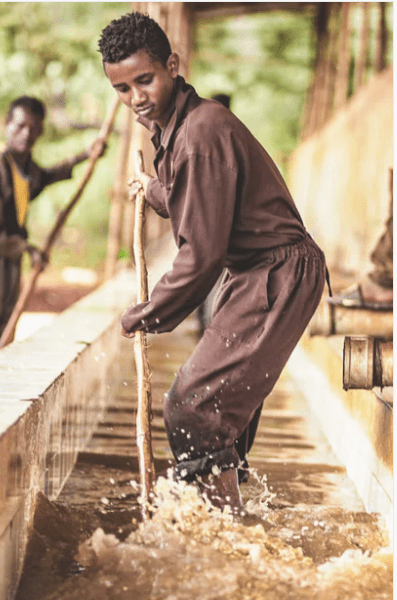
Have Fun Ethiopia Chelbesa one – This bright lil thing comes from the famous and well-known Chelbesa washing station located in Gedeo, Ethiopia. All of the producers that contributed to this lot live near the Chelbesa washing station, and around 1000 smallholding farmers have contributed to it growing their trees at 2000-2200 MASL. The washing station is owned by Snap Coffee Exporters, who handle processing and exporting the raw coffee. This is a classic washed Ethiopia process, with varietals Wolisho and Korume. The cherries are first floated to sort out the unripe cherries. The cherries are then pulped and fermented in a ceramic tank for 2-3 days and then dried on raised beds for 7-10 days. I taste lemon frosting, sugar cookie, turmeric. I brewed this with a 16.3:1 ratio and ground it seven clicks coarser than my typical starting point. I poured three fast pulses spaced out by 30 seconds, finishing my third pour at 2:00 for a 2:40 total brew time.

Action shot of Chelbesa washing station fermentation tanks

Have Fun Colombia Esnaider Ortega Gomez – The first affordable Sidra varietal I have been able to include in the subscription. This is a very exciting coffee from San Agustin, Huila. Esnaider is a 4th generation coffee producer and the owner of the exporting company, Monkaaba, the exporter of this lot. Esnaider is a super cool producer, putting an extreme amount of care in to each lot. The farm is located at 1,750 MASL. The farm grows many varietals like the typical Huila types of Typica, Colombia, Castillo, and Tabi but also Sidra. There is so much information on Have Fun’s site about the farm, I highly recommend reading the whole thing. Have Fun is clearly way more stoked about this lot than I ever could be, probably because they have physically visited and are now buying direct. Here is the link. This cup is nearly inspiring. I tasted cherry, kiwi, and oolong tea on the finish and when it gets cold. I brewed this with a 16.5:1 ratio and ground it one click finer than my typical starting point. I poured three pulses spaced out by 40 seconds, finishing my last pour at 2:35 for a 3:30 total brew time.

January 2025 – Manhattan and A Matter Of Concrete

Manhattan El Salvador Rudolfo Ruffati Batlle – The Batlle family in Santa Ana, El Salvador have a long and glorified history of coffee production. Rudolfo comes from generations of coffee farmers, and the Red Bourbon trees this coffee was picked from have been on the farm for almost 60 years. This lot is a clean, washed Red Bourbon grown at 1650 MASL. The cherries underwent a 48 hour fermentation, then washed and pulped before drying. The light touch of the process allows the flavors of these old trees to showcase the terroir of the farm. In the cup I taste Marshmallow, Cherry, and Graham Cracker. It is extremely sessionable. I brewed this with a 16.5:1 ratio, and ground it two clicks finer than my average starting grind setting. I poured four pulses spaced out by 30 seconds, finishing my last pour at 2:30 for a 3:05 final brew time.

Finca El Salvador – The Batlle family plantation

Manhattan Nicaragua La Escondida – This funky lil coffee is a masterpiece. It comes from La Escondida farm in the Jinotega region of Nicaragua, grown at 950-1250 MASL. Inside of La Escondia is a smaller coffee garden where experimental varietals are planted. This varietal is an Ethiosar. Ethiosar does not occur in nature, and is a hybrid between the Ethiopian varietal Sudan Rume and Sarchimor. Sarchimor being a hybrid between Villa Sarchi and Timor. So while technically being a single varietal coffee, its genetics are… complex. This coffee is honey-processed to add a little extra funk to the profile. I taste Belgian Beer yeast and fermented raspberry. Those two flavor notes contain dozens of other natural occurring flavors as well but that is what jumped out at me. I brewed this with a 16:0 ratio and ground it three clicks finer than my typical starting grind setting. I poured three pulses spaced out by 35 seconds, finishing my third pour at 2:10 for a 2:55 final brew time.

Manhattan Colombia Hector Hernandez – This is the coffee of the month it seems. After I decided on buying this from Manhattan, two more roasters advertised they had it. GOOD roasters too. Hector Hernandez is the operator of the modest Finca La Cumbre located in Huila, Colombia. La Cumbre is located at 1850 MASL and contains Caturra, Castillo, and Gesha trees. Hector is a first generation coffee farmer, and was formerly a cattle farmer. In 2011, Hector bought the farm and started planting specialty coffee. The first gesha trees weren’t planted until 2021, and this is likely the first harvest from the farm. La Cumbre has become well known for thoughtful micro-lots being auctioned to some of the best specialty roasters in the world. This is a cup of absolute peach. Fresh peach AND candy peach rings. The cup then lends to classic Gesha flavors like jasmine and lavender. I brewed this with a 15.5:1 ratio and ground it one click coarser than my typical starting point. I poured three pulses spaced out by 40 seconds, finishing my last pour at 2:15 for a 3:20 final brew time.

A Matter Of Concrete Colombia Julian Calderon – Julian Calderon comes from the Los Citres farm in the town of Palestina in Huila, Colombia. This is a standard washed process, grown at 1800 MASL. However, this IS a Pink Bourbon (Rosado). I don’t have much information on Calderon unfortunately other than that they are a newer producer. This is an interesting profile. There is much less fruit in it than I had expected or hoped for. There is like a chicory or hazelnut flavor along with some pomegranate. It is very sessionable though. I brewed this with a 15.5:1 ratio, and ground it two clicks finer than my typical starting point. I poured four pulses spaced out by 30 seconds, finishing my last pour at 2:30 for a 3:20 final brew time.

A Matter Of Concrete Indonesia Reza Nurullah Liberica – I ordered this coffee in December as part of my samples, as I have been growing more excited about the insurgence of Liberica/Robusta coffees coming from Asian countries. This is the first one I’ve tried that I have enjoyed. It comes from the state of Java, from Reza Nurullah’s farm where Arabica, Robusta, and Liberica are grown. This is a super experimental process. The cherries are sealed in plastic tanks and left to ferment, and then lightly pulped to leave some mucilage on making this a honey process. The honeyed cherries are brought into sealed tanks with a special yeast variety that Reza has developed at the farm to ferment anaerobically. This process applied to the Liberica profile has created the first non-Arabica coffee I have enjoyed. This coffee is crazy. It is funky, but in a dignified way. The profile is like a passionfruit custard/cab franc vibe. Aromas be intoxicating. I brewed this with a 17:0 ratio and ground it three clicks finer than my typical starting point. I poured four pulses spaced out by 30 seconds, finishing my fourth pour at 2:40 for a 3:40 brew time. This works really well in a larger format setting as well, so get those 25 gram brews going for your friends!

December 2024 – The Barn and Vivid

The Barn Honduras Caballero – I love the Caballero farm so much, which is why it’s interesting that this is the first non-washed coffee I have had from there. The farm is operated by Marysabel Caballero in La Paz, Honduras. Most cherries are grown at 1600 MASL,and until very recently most coffee was fully washed. From what I understand, naturals had started being produced only four years ago. The name of this coffee, Confite #8, refers to the name of the process they have given to extended full cherry fermentation (natural). This means this is the 8th lot of this process that has been applied at Caballero. Apparently processing naturals in Honduras can be challenging due to high humidity levels, which makes sense as a lot of Honduran naturals I try have another level of funk to them. The layer of cherries set out to dry ferment must be very thin as to not create mold or fungus. This coffee is crazy funky. The dry grounds smell like pineapple, but I have not made a brew yet that interprets this into the cup. This could be due to how fresh this is, which at this point today is only 7 days off roast. I taste black walnut, overripe raspberry, and maybe some oakyness like you would find in a dark cabernet. I brewed this with a 16.7:1 ratio, and ground it four clicks finer than my typical starting point. I poured four pulses spaced out by 30 seconds, ending my last pour at 2:50 for a 3:25 final brew time. I have struggled big time with this brew, and honestly I suggest brewing it any other way than drip/filter. I have tried it in a tricolate, and this helped it shine. Other methods similar like an aeropress or immersion might help this as well.

The Barn Rwanda Huye Christmas Coffee) – The Huye Mountain Estate is an iconic farm The Barn works with regularly. I have probably had this same washed Red Bourbon 4 or 5 times now and it is always lovely. Huye Mountain is operated by David Rubanzangabo. The land is known to have rolling hills for miles with great terroir; the nutrient rich soil, high elevation and heavy rainfall during tree production leads to high quality cherries. This is a washed Red Bourbon coffee, grown at elevations from 1700 to 2200 MASL. All processing takes place at Huye Mountain, with this being a typical African washed process. Cherries are pulped, fermented, and then fully washed. The seeds are then dried on raised beds under shade to slowly dry to a proper moisture content. Perfect holiday coffee right here. It has the iconic central African profile of dried figs, and even a slight hint of lemon/lime. It is a beautifully sweet coffee. I brewed this coffee with a 15.5:1 ratio, and ground it two clicks coarser than my typical starting point. I poured three pulses spaced out by 40 seconds. I finished my third pour at 2:20 for a 3:20 final brew time.

Raised African Beds at Huye Mountain Estate

The Barn Costa Rica Volcan Azul – This is another heater from the world famous Volcan Azul coffee farm. The owner, Alejo Castrok is known across the globe for his experimental processing techniques and genetic testing. Only at Volcan Azul do you see varietals like H1 or H3. The coffee from here can always be expected to be crazy. This lot being an H3, is a hybrid of Ethiopian varietals and Caturra to produce the interesting Ethiopia Heirloom flavors but adding resiliency to leaf rust and disease. This is being referred to as a “Warm Anaerobic”. Cherries are measured while still on the tree for the sugar content, and then picked once they reach appropriate levels. A truly technical way of deciding how to pick the ripest cherries. The whole cherries are then placed in the sealed anaerobic tanks at a temperature 4c higher than what is standard for four days. Sugar content and pH is monitored at all times during fermentation. The cherries are then dried for an additional five days on raised beds before pulping and drying. Finally, a coffee that advertises blueberry and actually tastes of blueberry. I brewed this with a 16.5:1 ratio, and ground it three clicks finer than my typical starting point. I poured three pulses spaced out by 40 seconds, finishing my third pour at 2:25 for a 3:00 final brew time.

A couple legends: Alejo Castrok on left, Ralf Ruller (Owner of the Barn) on right.

Vivid Colombia Rafael Aya – Rafael Aya is a new producer for me, and has been growing specialty coffee since only 2017. Before that, Aya had grown more commodity coffee for nearly 20 years, and studied coffee production at the national agricultural institute. Being located in Huila, one of the most famous specialty coffee growing regions in Colombia and even in the world, the climate and terroir is simply too good for commodity coffee! This is a Pink Bourbon grown at 1750 MASL and is classified as fully washed. This is, however, the funkiest fully washed Colombia I have tasted so I suspect some alternative processing techniques are at play with this one that were not published. I checked other roasters with Rafael Aya’s coffee, some being Pink Bourbon or Caturra and I saw notes like washed Anaerobic or 150 hour wet fermentation. Those technically are washed still but certainly would deserve an asterisk. I taste sour lemon, pomegranate, and cloves. I brewed this one with a 15.5:1 ratio, and ground it two clicks finer than my typical starting point. I poured four pulses spaced out by 30 seconds, finishing my third pour at 2:20 for a 3:05 final brew time.

Vivid Kenya Gakuyu-ini – Another washed Kenya SL28/SL34 from Kirinyaga! (Last months Kenya Kiri was also from Kirinyaya). Gakuyu-ini is a famous washing station at the foothills of Mt. Kenya. I personally relate Gakuyu-ini with more blackberry and delicate acidity flavors. Gakuyu-ini is the sole processing station for the Thirikwa farmers co-op, made up of around 1600 farmers that own about a half plot of land. The farmers bring their ripe cherries to Gakuyu-ini for processing, where quality graders check the cherries for ripeness by hand-sorting and floating. After the classic Kenya double-soak washing process, the seeds are dried on raised beds for two weeks. This has an iconic Kenya profile. I would know this was a Kenya on a cupping table right away. Grapefruit, bitter molasses, graham cracker dominate the cup. I brewed this with a 16:1 ratio and ground it three clicks coarser than my typical starting point. After a 45 second bloom, I poured three pulses spaced out by 35 seconds, finishing my third pour at 2:05 for a 2:45 final brew time. I tried doing a faster brew that usually helps with Kenya acidity but it was NOT it. Slow this one down.

November 2024 – Duck-rabbit and Kaffa

Duck-Rabbit El Salvador Finca Miravalles – A Tabi varietal from El Salvador… I must always go for the unique combinations. This is not a super typical varietal grown in El Salvador; Tabi is a hybrid between Bourbon, Typica, and Timor developed in Colombia to increase plant hardiness. The Timor part of this hybrid was even developed with Robusta in it for slight edge on plant hardiness. That makes this technically not 100% Arabica, a designation to be scoffed at for a long time until recently. Miravalles is owned by the Duarte family, located on the western side of El Salvador near the Santa Ana volcano. This Tabi is grown at 1500 MASL and is a fully washed lot. The Duarte family process coffees in all different ways like honey and naturals, however I think due to this being a Tabi, they wanted to keep it washed to see what the true flavors in the bean could be. This is closer to what I would call a subdued sweetness type of brew, but so clean and sweet for what that category typically means. At first, this means notes like tootsie rolls, brown sugar, and pecan. Once the cup cools, mild stone fruits or watery fruits appear like dragon fruit. I brewed this with a 16.5:1 ratio and ground it one click finer than my typical starting point. After a 50 second bloom, I poured three pulses spaced out by 35 seconds, finishing my third pour at 2:25 for a 3:10 total brew time.

Duck-Rabbit Kenya Kiri – The best Kenya of the year so far is here. Kiri is located in Kirinyaga, Kenya, known for being a region surrounding the southern rim of Mt. Kenya. This is a SL28 and SL34 mix, and Kiri utilizes the natural waters and river flow from the slopes of Mt. Kenya for processing, like many other co-ops in the region. The Kiri co-op is made of many farmers that harvest wild coffee trees that grow on their property in a much less organized fashion than we see in some of the western world coffee farms. Kiri ensures that farmers can’t bring in less ripe or diseased cherries. They hire coffee clerks that observe the floating of cherries and discard any that are too low of quality to be processed. This is a typical Kenya double wash process where the coffee seeds are soaked for a second time after final pulping. While being bright and clean, this coffee also contains an herbaceous/vegetal quality. The mixture of flavors seem strange but the notes kind of come in waves. It starts out with a cotton candy vibe, and then moves to a sweet yellow apple, then thyme’d green beans. The finish is super clean, as is the entire brew. I brewed this with a 15.5:1 ratio, and ground it two clicks coarser than my typical starting point. After a 30 second bloom, I poured two pulses spaced out by 45 seconds, finishing my second pour at 1:50 for a 2:45 final brew time.

Kaffa Ethiopia Danche – This stunning babe comes from the Danche region of Yirgacheffe, processed at the Chelbessa washing station. This field blend was processed in a classic washed Ethiopia fashion with a wet fermentation followed by drying on raised beds. The washing station is overseen by Negussie Debela, former I.T. guy in Addis Ababa turned coffee producer. As with many Yirgacheffe lots, this is a pooled lot from many smallholding farmers grown at 2000-2300 MASL and is various landrace varietals. This is a bright, sparkling joy of a washed Ethiopia to cap off the end of fresh washed Ethiopian season. In the cup I taste Meyer lemon and bergamot. This is for the acidity lovers. I brewed this with a 16:1 water to coffee ratio, and ground it six clicks coarser than my typical starting point. After a 45 second bloom, I poured two pulses spaced out by 45 seconds, finishing my second pour at 2:05 for a 2:45 final brew time.

Kaffa Guatemala Ixban- The early christmas coffee comes from San Pedro Necta, an area inside the Huehuetenango department. Ixban is a group of eight farmers in San Pedro Necta that have formed a cooperative producing company. Their lots are all grown at 1700-1800 MASL and consist of Caturra and Bourbon. These eight farmers rely on coffee crop alone for income, and have produced coffee their whole lives. The slightly higher elevation at these smaller lots means that harvest happens a little bit later than what is standard for Huehuetenango coffees. While most farmers have finished up processing, The Ixban group begins the harvest. All of their coffee is taken to a local mill after the farmers personally pulp, ferment, and dry the coffee seeds themselves. For the overall vibe of this coffee, I am going to call it a classic breakfast cup with some first taste flair. I tasted coconut cream, oregano, and super chocolatey as it cools. I brewed this with a 16.7:1 ratio, and ground it right at my typical starting point. I poured a 55 second bloom, followed by three pulses spaced out by 35 seconds. I finished my third pour at 2:25 for a 3:20 final brew time.

October 2024 – Little Wolf and Clever Coffee

Little Wolf Ethiopia Benti Nenka – Benti Nenka is a co-op in Guji, Ethiopia that sources cherries from around 400 local smallholding family farms. The coffee trees are all grown at 2000-2300 MASL and all hand-picked. Benti Nenka provides financial support and resources to the farmers to ensure the highest quality cherries are brought in. Once the cherries are delivered, the staff at the washing station sorts through everything to spot defects or over/under ripe cherries. For this lot, the cherries are sealed in a pressurized, Anaerobic environment in a cold facility to provide meticulous observation of tank temperature, pH, and pressure. Once the fermentation is over, the cherries are dried on raised beds over the course of 15-20 days. This is a shaded environment to prevent over fermenting the coffee. The moisture levels are monitored over this time, and once they reach 11%, the dry milling begins. I taste exotic fruits right off the bat. Papaya, lychee, with rounded sweetness. I brewed this with a 15.7:1 ratio and ground it four clicks coarser than my typical starting grind setting. This would also be two clicks finer than a typical Ethiopia grind setting for me. I poured three pulses spaced out by 30 seconds, finishing my last pour at 2:20 for a 2:50 final brew time.

Little Wolf Colombia Las Perlitas – Back again with the beautiful Las Perlitas. This coffee is always so freaking solid and I could drink it every day. Las Perlitas is a farmer’s co-op in Huila, made up of many micro-lots and small-holding farmer lots. The smaller lots are brought here as they would not be able to be exported on their own due to lot size, so Las Perlitas buys high quality cherries from the region and then mills, depulps, washes, and ferments on site. These coffees are grown between 1600-2000 MASL, are all washed, and are a blend of Caturra, Pink Bourbon, and Gesha. This trio of varietals makes a crazy bright and delicious cup. I tasted raspberry, caramel apple, and sugar cane. I brewed this with a 16.5:1 ratio, and ground it three clicks finer than my typical grind setting. I poured four pulses spaced out by 30 seconds, pouring wider circles to slow this brew down. I finished my fourth pour at 2:50 for a 3:30 brew time.

Clever Honduras Hernandez Pacas – This clean honey-processed Pacas comes from the farmer Hidardo Hernandez, located in Ocotepeque, Honduras. This is a lesser known region of Honduras than the giantly famous Santa Barbara region and at a lower elevation of 1300 MASL. Hernandez has worked with Clever for awhile now, but this is the first time we are trying his coffee in the subscription. Hernandez owns the co-op “Cafesmo”, with many neighboring farms supplying their cherries for processing. The region has many coffee varieties such as Obata, Pacas, and Parainema. This is a delicious cup that I could drink every day. I tasted Pumpkin Pie, some mild tree fruits like apple or pear, lavender, and pastry dough. This is a fairly simple but crazy consistent profile. I don’t taste any changes from start to finish which is pretty rare. All of the sugary sweet flavors come at you right away and linger to the finish. I brewed this with a 16.3:1 ratio, and ground it two clicks finer than my typical starting grind. I poured four pulses following a 45 second bloom, spaced out by 30 seconds. I finished my last pour at 2:35 for a 3:25 final brew time.

Clever Colombia Misiones Java – Last go around with Clever we tried the Castillo from Misiones, which is generally a simple coffee species. It was the best coffee that month. I knew that a natural Java from the same producer had the potential to be a killer, and that is what it is. This farm is Clever’s very first direct trade farm, located in the Cundinamarca department of Colombia. The farm sits at 1500-1700 MASL. This coffee is a natural Java, which underwent 160 hours of natural fermentation. The cool climates in the region allowed this to develop intense flavors without over-fermenting. This coffee is absolute flavor insanity. Ripe strawberry, cherries, and then as it sits on the palate it transitions to a sour-packed candy. I brewed this with a 15.8:1 ratio, and ground it 3 clicks finer than my typical starting point. I poured four wide pulses after a 35 second bloom, spaced out by 30 seconds. I finished my fourth pour at 2:25 for a 3:00 total brew time.

Clever Costa Rica El Mango – This fun sounding coffee comes from the farm ‘Cafe Rivense del Chirripo, located in Chirripo, Costa Rica. The farm was established in the ’40s by the current farm owner/operator Ricardo’s great-grandparents. As the decades passed, Costa Rican coffee became more and more renowned for the expected quality you could find. At a certain point in history, Costa Rican law forbid anything but 100% Arabica coffee, instilling a sense of high quality only in the farmers. Now this farm operates at only high-levels, producing interesting and focused coffees from the innovative processing techniques found at the farm. This lot was grown at 1500 MASL and is a honey-processed Red Catuai. This coffee is a bit on the savory side. There is some sweet pepper notes right at the front, along with jackfruit. It reminds of a beer I had recently, but it is tough to pinpoint the exact flavor I am thinking of. This coffee is kind of a black sheep of the three Clever coffees I brought on this month, with the Honduras being a crowd pleaser, the Colombia being off the wall LIT AF, and this one just being kinda strange? I am enjoying it though, just super unique. I brewed this with a 16.5:1 ratio, and ground it 3 clicks finer than my typical starting grind size. i poured three pulses spaced out by 40 seconds, following my 40 second bloom. My last pour ended at 2:20 for a 3:10 total brew time.

September 2024 – Junto fruit snacks – Kaffibrugghusid is BACK.

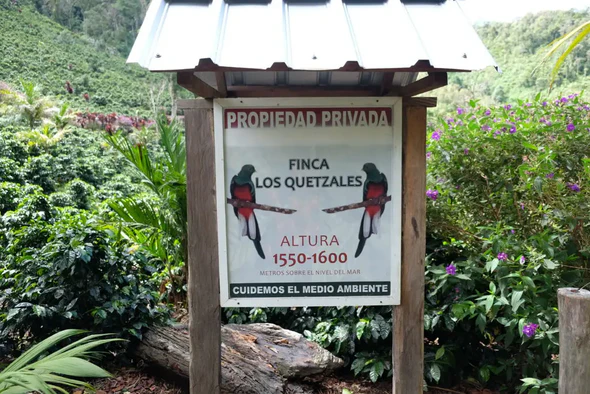
Kaffibrugghusid Honduras Los Quetzales – This farm is located in Santa Barbara, Honduras, owned and operated by Pedro Sagastume. Los Quetzales has been operating for decades, and at this point, Sagastume has split the land in to multiple plots for his kids to operate. This specific coffee comes from Don Pedro’s plot, and is a Pacas grown at 1600 MASL. This lot also comes after the farm’s purchase of new solar dryers, purchased along with recent investments by the farm to bring the processing operation in to the future. The coffees are first pulped and then dry fermented (in mucilage) for 16-24 hours. The coffee is then washed and then dried on the solar dryers for 14 days until specific moisture content is reached. I tasted Applesauce, candied ginger, macadamia, with a smooth, sweet, cacao finish. This is a super mild, light, and delicious cups. I brewed this with a 16.2:1 ratio, and ground it one click finer than my typical grind setting. I poured four pulses following a brief 35 second bloom, spaced out by 30 seconds. I finished my last pour at 2:35 for a 3:25 brew time.

Kaffibrugghusid Kenya Kiandu AA – The Kiandu factory is part of the Nyeri growing region, part of the Mutheka growers society. The society has 6,000 active members consisting of small scale coffee farmers and mill workers. All cherries are delivered to the coffee clerk at Kiandu, where they are checked for defects and ripeness. I am told this coffee clerk is a tough one and regularly rejects crop due to issues. All ripe cherries are then pulped and then fermented for 12-48 hours depending on the outside air temperature. The seeds are then removed and dried for 2-3 weeks. I have hardly had any Kenyan coffee this year, I believe due to quality but also scarcity. This is a nice reminder of what it can be, and hopefully more of what we can get next year. I taste rhubarb, molasses, and black currant with a creamy and full mouthfeel. I brewed this with a 16:1 ratio, and ground it three clicks coarser than my typical starting point. I poured two slow, long, drawn out pulses spaced out by 50 seconds, finishing my second pour at 2:10 for a 3:00 brew time.

Junto Brazil Vinhal MK-12 – The first ever Brazil from Junto is here! I had to jump on this right away, knowing it was on the way based upon a talk I had with Junto several months ago. This is a “direct trade” coffee with Rafael Vinhal, who owns and operates the estate this coffee comes from. This is a Catucai Peaberry mutation grown at 980 MASL, taking the increasingly popular Brazilian Catucai varietal to new form (literally tho). As the bag states, this coffee underwent natural fermentation two times. First, in an open fermenter for 44 hours. The whole cherries are removed and undergo thermal shock to halt fermentation. Then the cherries are fermented anaerobically for 129 hours. After another cold thermal shock to stop fermentation, the cherries are then pulped and cleaned before drying on raised beds. No way is this what I would refer to as a standard Brazil profile. It takes hints from northern neighbors of Central America with an extra punch of sweet nougat and papaya, with pomegranate tartness. I brewed this with a 15.8:1 ratio and ground it two clicks finer than my typical starting grind. I poured three pulses spaced out by 35-40 seconds following a long 50-55 second bloom. My last pour finished at 2:30 for a 3:20 drop time.

Junto Colombia El Paraiso Rose Tea – Finca El Paraiso is the brain child of coffee genius and all around coffee superstar Diego Bermudez. Considered one of the most innovative coffee producers in the world, Diego Bermudez is always going to be a super exciting name to see on the coffee you are drinking. The coffee is a Castillo grown at 1900 MASL. After harvesting, the cherries are disinfected under ozone and then transferred to the fermenters to ferment anaerobically for 48 hours. Once removed, the yellow fruit yeast cultures are introduced with the pulped cherries and fermented for an additional 24 hours in open air fermenters. Diego loves the thermal shock once the fermentation is finished, so the cherries hit the cold water before being completely washed and laid out to dry in a room with a dehumidifier to create the exact moisture content that was expected and planned for. This coffee smells like straight up peach juice, and on the first sip it was actually rose or rose hip tea, hence the name. It smells and tastes exactly like passion fruit juice. The profile is crazy and I have not had a coffee quite like this in my life. I brewed this with a 16.5:1 ratio, and ground it two clicks finer than my typical starting point. After a 35 second bloom, I poured four pulses spaced out by 30 seconds, using heavy and wide pours. I finished my last pour at 2:30 for a 3:05 brew time.

August 2024 – Have Fun and new roaster… Mirra!

Have Fun Colombia Luz Dary Polo – This was by far, the coffee I was most excited about this month. “But you are only ever excited about hybrid varietal alt-processed Colombians Dylan” SO WHAT. Luz Dary is a producer in Huila, Colombia and a member of a local cooperative that focuses on sustainable farming practices, such as: making their own pesticides/fungicides, fertilizers, and advanced water filtration methods. She produces mostly Caturra and Pink Bourbon and in recent years, she has replaced the older V. Colombia trees with this Bourbon Aji varietal. Bourbon Aji is taking hold on Colombia recently and this is my first time with it. It has taken high-scores in competition and is compared to Geisha frequently in profile and scoring. The coffee trees are grown at 1640 MASL. After harvesting, Luz seals the whole cherry in grainpro bags for 40 hours to ferment. Then, the cherries are pulped and sealed in tubs for an additional 60 hours. This is a low oxygen environment, but not anaerobic. Luz demands that during peak harvest to only pick the ripest cherries and pays the pickers extra to provide this level of detail in the harvest. This coffee has a sort of vanilla-orange creamsicle vibe. Definitely a fun Colombia, with excellent sweetness. I brewed this one with a 15.6:1 ratio and ground it two clicks finer than my typical grind size. I poured three pulses spaced out by 35 seconds, finishing my third pour at 2:20 for a 2:55 drop time.

Have Fun Kenya Kamwangi AA – Finally a Kenyan, our first of the true Kenyan season. The pickings have been slim and I haven’t been sold on what is available yet. Kamwangi washing station has been no stranger to this subscription, located in the Kirinyaga region just south of Mt. Kenya. Cherries from local smallholding farmers have been bringing ripe cherries to Kamwangi for processing for decades, to produce only the highest quality green coffee. This lot is mainly SL-28, SL-34, Batian, and Ruiru-11 and is classified as AA, meaning it is sorted to be the largest seed size. The processing is fairly standard washed processing with wet fermentation for 24 hours and then dried on raised African beds. The elevation range for this is interesting, ranging from 1100-1800 MASL. I find it interesting that this is such a large elevation difference and could possibly lead to why I find some less desirable flavors in the cup. I tasted tart or under ripe green grape, cinnamon, and black tea. I brewed this coffee with a 16.5:1 ratio, and ground it two clicks coarser than my typical grind setting. I poured two pulses spaced out by 45 seconds, finishing my second pour at 2:10 for a final brew time of 2:50.

Mirra Honduras Mario Meija – Mirra is a roaster with highly seasonal offerings, which means high individual lot turnover. The round of samples I received from Mirra a month or two ago included a coffee that said “pairs well with milk”, and I assumed it would be more on the boring side. That coffee was so so sweet and delicious; not necessarily complicated, but a true gem. So this time when I saw the notation of “pairs well with milk” on this particular coffee from the producer Mario Meija, I had a good feeling about it. Meija’s farm Finca El Jardin is located in La Paz, Honduras at 1700 MASL. Meija is a 4th generation coffee farmer, and also grows avocados and citrus at Finca El Jardin. This lot is a Pacamara, but must be some kind of mutation as the beans are not very large. I taste soft peach notes, apple butter, and black walnut. I brewed this with a 16.5:1 ratio and ground it two clicks finer than my typical grind setting. I poured four pulses, spaced out by 30 seconds. My last pour finished at 2:35 for a 3:20 final brew time.

Mario Meija at his farm “Finca El Jardin”

Mirra Guatemala Araceli Perez – Araceli Perez lives in Huehuetenango, and inherited the farm Finca Quejna from her father. Perez has mostly grown standard varietals that have been proven to grow well in the region such as Bourbon, Caturra, and Pache. This lot is a blend of Pache and Caturra grown at 1800 MASL. I don’t believe many roasters have picked up on Finca Quejna or Araceli Perez’s product as the information I was able to look up online was sparse. The cup quality clearly speaks for itself as this is a bright and exciting washed Huehuetenango lot. I tasted Maple Syrup, plum, and kiwi. I brewed this with a 15.7:1 ratio and ground it right at my typical starting grind. I poured three pluses spaced out by 35 seconds, finishing my third pour at 2:20 for a 3:05 total brew time.

July 2024 – Manhattan and SEY

Manhattan Colombia Panela Sticky – This coffee was kind of a strange decision for me. I had to pull the trigger last minute as the one I had originally selected was sold out. The name just sounded so strange, especially because Manhattan typically names their coffees based on the producer name. However, in the fancy specialty coffee industry the term ‘sticky’ usually means something good like a “sticky sweet fruit” note, no idea if that was the idea behind it. The farm this comes from is El Diamante, operated by Jose Giraldo in Huila, Colombia. The bag almost sells itself… A PINK BOURBON that underwent Anaerobic Fermentation is crazy. The cherries were not actually processed at El Diamante though. The cherries were transported overnight (to control temperature) to a different experiment-based project station called Cafe 1959. The cherries are first pulped, then sealed in Anaerobic tanks for 24 hours. The seeds are then fully washed and cleaned, then thrown back in the fermenters for 24 more hours for a DOUBLE Anaerobic fermentation. The seeds are then slowly dried for 40 days. This is an intense cup with flavors of mango, caramel, and oolong tea, deep. Fairly low acidity, I think the extra fermentation time killed most of that. I brewed this with a 15.6:1 ratio, and ground it two clicks finer than my typical starting grind. I poured three pulses spaced out by 40 seconds, finishing my third pour at 2:10 for a 2:55 final brew time.

Manhattan Brazil Silvio Roberto – For the second time, we are bringing back Silvio Roberto from Mata de Minas, Brazil. Silvio Roberto operates a farm called Sitio Alto Ar. Silvio lives on the farm with his wife and two children. It is a fairly small operation, where the family operates the farm on a daily basis. This is a Red Catuai 144 grown at 600-800 MASL. Pretty low elevation, even for Brazil. The cup is unsurprisingly fairly low acidity due to the low elevation but you can still get some sort of non-acidic sour fruit flavor which is super interesting about this coffee specifically. I taste cherry, tamarind, and some light hibiscus on the finish. I brewed this one with a 15.6:1 ratio, and ground it three clicks finer than my typical starting grind size. I poured four pulses spaced out by 30 seconds, finishing the fourth pour at 2:50 for a 3:25 total brew time.

SEY Ethiopia Kubi – The Kubi comes from the Gedeb region, and is a sector of the Chelbessa washing station. The name Kubi comes from the small region that the smallholding farmers that produced this lot come from, a project started by Neguesse Debela, who controls the processing of these coffees. This is a standard washed Ethiopia Landrace; given it’s standard, I don’t know any of the actual varietals. Big time field blend. I tasted Honeysuckle, melon, and apple cider spices. This is a very delicate and tea-like cup. I brewed this with a 15.5:1 ratio and ground it six clicks coarser than my typical starting point. I poured two pulses spaced out by 40 seconds, finishing my second pour at 1:55 for a 2:40 drop time.

SEY Colombia Diego Hoyos – Diego Hoyos’ coffees have been in high demand in recent years after winning some local Huila competitions, which is why SEY knows they can charge a pretty penny (hella) for it. Hoyos farm is in the San Agustin region of Huila at a farm called La Argentina. The coffee trees are grown at around 1,815 MASL, pretty steep for the area. This provides a cooler micro-climate for these cherries to thrive. This is a washed process Pink Bourbon, floated in tanks to weed out defects before pulping. The cherries are fermented whole for 24 hours, not long enough to be considered honey processed. The seeds are then fully washed and dried on parabolic dryers. This cup is just ridiculous. I taste Peach ice cream and blackberry jam in this absolute holy grail of a Pink Bourbon. I brewed this with a 16.2:1 ratio and ground it one click finer than my typical starting point. I poured three pulses spaced out by 40 seconds, finishing my last pour at 2:30 for a 3:10 total brew time.

June 2024 – Vivid Coffee Roasters and The Barn

Vivid Colombia Luz Divia Fierro – This is Luz Fierro go-around number 3 here at Stimulus. All three have been Pink Bourbon, and each one is some time in the summer for the last three years. The quality is always high and as a self-described Pink Bourbon aficionado, I have always been impressed with what Fierro produces. Luz and her husband Elpidio operate their own farm, Finca El Meson in the Acevedo department and sits at 1650 MASL. The farm was inherited by the couple from Elpidio’s father Angel who still produces coffee in a neighboring town. When the two settled on El Meson, they planted over 20,000 Pink Bourbon trees, my dream scenario. The land where the trees were planted was never used to plant coffee before, and after great success in this, another 26,000 Pink Bourbon trees were planted. During the harvest months, Luz employs around 15 pickers from outside Acevedo and a few locals to harvest the ripe Pink Bourbon cherries. The pickers stay on the plantation during the harvest, and are always paid above market value along with a comfortable stay. The processing is done carefully, floating all the cherries to remove any defects and then left to rest in cherry for 24 hours. The next day, the cherries are pulped and wet-fermented for 38 hours. This process is done over and over again to maintain consistent quality. In the cup I tasted coconut, persimmon, and tart cherry. I brewed this with a 15.8:1 ratio and ground it four clicks finer than my typical washed Colombia grind setting. I poured four pulses spaced out by 30 seconds, finishing my final pour at 2:30 for a 3:10 final brew time.

Vivid Honduras Evin Gomez – This is the second Evin Gomez coffee we have had in the subscription. Both have been Parainema, processed as a full Natural, and obviously at the same elevation. Gomez is a young producer and has dedicated himself to perfecting Parainema. I checked my last coffee notes on this one and it appears the coffee was a bit challenging to brew correctly and dial in properly. I am not sure what changed, as this coffee is stunning right away. Didn’t have to do anything weird to the brew to slow it down, grind setting was not crazy fine, and the profile was smooth and delicious at about one week off roast for me. This cup was crazy from start to finish, changing cup vibes multiple times. Overall, I tasted applesauce, mango, with a kind of marshmallow mouthfeel. Chewy cup. I brewed this with a 16.7:1 ratio, and ground it three clicks finer than my typical starting point. I poured three pulses spaced out by 40 seconds, finishing my last pour at 2:25 for a 3:10 final brew time.

The Barn Ethiopia Dambi Uddo – Always a favorite from the Barn. I saw Dambi Uddo and after a quick check to make sure this was, as I assumed, fire, I had to get it for the subscription. The Dambi Uddo plantation and processing station is located in the Guji highlands, a region famous for juicy sweet coffees. The coffees here are grown at 2145 MASL, and typically are a mixture of local heirloom varietals. For those of you that are interested in a clean natural processed coffee, this one is for you. I actually did a double take when first trying this because I am almost not convinced it is natural. It has to be one of the cleanest natural processed coffees I have ever had. The cherries are always grown in the shade here under tall shade trees in the forest, allowing the sugars to ferment slowly and uniformly. I believe this is what helps the clean profile, as the hot sun can be known to produce more funky naturals. Once I finally ground this one coarse enough to get it to flow out of my brewer properly, the cup profile was incredible. I tasted Kumquat, honey, lavender, super sweet and HEAVY on the citrus. I brewed this coffee with a 15.5:1 ratio, and ground it 8 clicks coarser than my usual starting point. I poured two pulses spaced out by 45 seconds, finishing my second pour at 1:55 for a 2:50 brew time.

The Barn El Salvador Los Pirineos – The famous Los Pirineos, the El Salvador farm that made anaerobic processing so commonplace in today’s menu of coffees. The farm’s original mastermind was Don Gilberto Baraona who left the farm to his son Diego to continue the legacy of keeping this beautiful El Salvadorian farm on the map for global specialty coffee roasters. Los Pirineos is located at 1400 MASL in Usulutan, and is grown on the slopes of a volcano. This climate provides high levels of sunshine with cooler air temperatures and constant breeze. The high levels of sunshine allow Baraona to be consistent in how much sunshine the drying cherries are receiving to ensure fermentation is done in a controlled manner. This lot is a natural Anaerobic, with the fresh cherries thrown directly into the sealed barrels at a temperature of 16C. For fermentation, this is considered quite low. After 72 hours, the cherries are taken out of the sealed anaerobic fermenters as long as the correct pH level is reached. The cherries are then taken out to dry for 25 days until the correct moisture content is reached. I tasted Marzipan, black forest cake, and a heavy heavy body. I suspect this one will do well with some resting and hope to get more complexity out of it in the coming week. I brewed this with a 16.3:1 ratio, and ground it two clicks coarser than my typical starting point. I poured four pulses spaced out by 30 seconds, finishing my fourth pour at 2:35 for a 3:30 final brew time.

Raised drying beds at Los Pirineos