
January 2026 – SEY and The Barn

SEY Colombia Miller Sarmiento – What an incredible start to the lineup! Miller Sarmiento is a new partner in SEYs wide net of producers they work with. Sarmiento’s farm, Finca Lote Tres, is located in Huila at 1950 MASL and produces a lot of fun varietals that people like us enjoy drinking. This coffee is a blend of Sidra and Pink Bourbon, both Ethiopian landrace varietals. Sidra is typically a varietal that is WAY too expensive to purchase for the subscription, so a nice blend with another favorite varietal that is slightly cheaper is making it more accessible. We have had plenty of Pink Bourbons, especially from SEY at this point. I think you can taste a clear distinction between this and a 100% Pink Bourbon, which gives major credit to SEY and their roasting style to leave all origin notes showcased in each coffee. I taste Cherry liqueur, honey, and cranberry juice. Super sweet, tart, and fruity. I brewed this with a 16:1 ratio and ground this one click coarser than my typical starting point. After a 50 second bloom, I poured three pulses spaced out by 35 seconds, finishing my last pour at 2:25 for a 3:15 final brew time.

SEY Rwanda Kanzu – Kanzu is a famous washing station near Lake Kivu in western Rwanda, bordering DRC. It is made up of local smallholders that produce coffee in their gardens, and are held to intense standards of quality. There is a reason Kanzu is not massively distributed to many roasters throughout the world, because there is less produced. This lot is said to be grown at 2200 MASL, which is definitely the highest elevation I have EVER seen in Rwanda. You can taste this in the cup, with a super clean and delicate profile. As with most Rwandan coffee, this is 100% Bourbon. I taste bright red fruits, jasmine, orange, sparkling acidity. I brewed this with a 15.8:1 ratio and ground it four clicks coarser than my typical starting point. I poured two pulses spaced out by 45 seconds, finishing my second pour at 1:50 for a 3:05 final brew time.

The Barn Honduras Caballero Confite – It has been a hot minute since we have been graced with coffee from the Caballero farm. The Barn has a wonderful relationship with them, buying directly from the farm every harvest. Caballero is operated by Marysabel Caballero in La Paz, Honduras. The farm is located at 1600 MASL. This coffee is a Catuai, and while considered a full natural, is processed in the “Confite” style, known locally as a way to bring out more candy and fruit notes. Confite is a term for nuts or fruits coated with candy and that is definitely fitting for this profile. I tasted Bruleed Pineapple and Sage with a very lactic mouthfeel. I brewed this with a 16:1 ratio, and ground it two clicks finer than my typical starting point. I poured four pulses spaced out by 30 seconds, finishing my last pour at 2:40 for a 3:25 final brew time.

The Barn Colombia El Faldon – Our second coffee from Huila, Colombia this month comes from Finca El Faldon by producer Luis Felipe Leguizamo Giraldo. Giraldo is a cup of excellence producer, winning the competition in 2011. The farm is located at 1840 MASL. This coffee is a fully washed Caturra; picked and de-pulped in the same day. The seeds are then fermented for 12-36 hours before being fully washed of all mucilage and dried Anise, pomegranate, toffee. Not too much complexity, this is just a sweet, simple cup. I brewed this with a 16.3: ratio and ground it one click finer than my typical starting point. I poured three pulses spaced out by 40 seconds, finishing my last pour at 2:30 for a 3:20 final brew time.

December 2025: Standout and Junto

Standout Ethiopia Atoma Station – It is not common for me to have a new Ethiopian producer, but nowadays roasters are seeking out smaller operations and not Mega Washing Stations. So, with this, we have a coffee from the Atoma Station, the product of Mike Mamo. This is Mike’s second washing station, and opened in 2022 in the Jimma region of western Ethiopia. The site is quite remote, only accessible by horse. This requires the farmers to sometimes take two trips to bring their full harvest to the washing station each evening during harvest. I am so obsessed with this coffee. The first brew I was like ~yeah this is a nice one~, but it did not brew up perfectly. The second brew, !holy shit!. For sure my favorite Ethiopian of the year. I tasted Meyer lemon, honeysuckle, and white tea with mild orange as it cools. I brewed this with a 15.8:1 ratio, and ground it six clicks coarser than my typical starting point. I poured two pulses spaced out by 45 seconds, finishing my second pour at 2:00 for a 2:50 final brew time.

Standout Kenya Gachatha AA – Gachatha, the famous washing station and farming co-op in Nyeri. Most farmers in the co-op grow coffee at around 1800-1900 MASL, and is a blend of SL-28, SL-34, Ruiru 11, and Batian. The coffees are taken to Gachatha and sorted to varying grades. This lot is AA, the largest size of beans. The individual farmers perform their own hand sorting to ensure they are getting paid high prices for the best cherries. The coffees are double soaked in classic Kenyan style, and covered to dry during daytime, and then left open at night to ensure even drying. Once dried to around 10-12%, the seeds are bagged up and ready to ship out. This is such a clean and delightful cup. I taste Orange creamsicle, Grapefruit, Lemongrass. I brewed this with a 16.4:1 ratio, and ground it four clicks coarser than my typical starting point. I poured two pulses spaced out by 40 seconds, finishing my second pour at 1:50 for a 2:50 final brew time.

Junto Tanzania AMCOS Peaberry – Tanzania, a less frequent and somewhat elusive origin lately in specialty coffee. “AMCOS” or Agricultural Marketing Cooperative Societies. This is a Kent varietal and a Peaberry, a quite common combo for Tanzanian coffee. AMCOS basically buys green coffee from many local smallholding farmers, and meticulously sorts it in to grades for quality. AMCOS has helped coffee production in Tanzania grow and gets producers coffee to international markets. When ground, it smells awesome. Spices explode from it. The brew has a bit or sourness, and a lot of sweetness. I tasted Green Apple, Black Walnut, Caramel. I brewed this with a 16.2:1 ratio, and ground it two clicks coarser than my typical starting point. I poured three pulses spaced out by 35 seconds, finishing my third pour at 2:30 for a 3:10 final brew time.

Junto Colombia El Diviso – Buying a Nestor Lasso coffee is the true holiday gift that we needed after a November shortage. For those familiar with Nestor Lasso, or have at least tried some in the subscription in years past, you know this is a treat. For the newbies, Nestor Lasso is an expert in experimental processing in Huila, Colombia. Every coffee from his farm, El Diviso, is killer. Like most coffees here, this is a Caturra picked at peak ripeness. The cherries are extremely carefully sorted to ensure perfection. This is a washed Double Anaerobic coffee, meaning that the whole cherries are initially sealed in airtight tanks for 20 hours. The fermented cherries are then removed, and then put in oxidation tanks for 28 hours at a higher temperature. They are then moved back to airtight tanks for an additional 18 hours, but with the added microbial mossto that was removed from the cherries during the oxidation phase. Once complete, the cherries are washed and wet fermented to finish up processing, then dried under solar dryers until specific moisture level. In the cup I taste ripe Strawberry, Grenache, and mostly just Funky. I brewed this with a 16:1 ratio, and ground it three clicks finer than my typical starting point. I poured four pulses spaced out by 30 seconds, with a wider circle to attempt to slow this brew down. I finished my fourth pour at 2:35 for a 3:15 final brew time.

November 2025 – Duck-rabbit Coffee

duck-rabbit Guatemala Finca Rosma – A beautiful Guatemala is gracing us for the first time in a long while! This is from Finca Rosma in Huehuetenango. Finca Rosma is owned by the Morales family, starting with Alejandro Rosales who bought the farm in 1963 and named it after his mother, Rosemarie. Finca Rosma is now operated by Alejandro’s son, Fredy. The farm is located at 1900 MASL, which is fairly steep for the Huehuetenango region. The region is on the western side of Guatemala near the border with Mexico and always produces fantastic coffee. Several years ago it was really the only specialty region in the country I was seeing coffee from. This coffee is fully washed, and is a field blend of Bourbon, Catuai, Caturra, and Typica. I taste marshmallow, coconut water, and plum syrup. This is a sugary-sweet cup. I brewed this with a 16:0 ratio and ground it right at my typical starting point. I poured three pulses spaced out by 35 seconds, finishing my final pour at 2:30 for a 3:20 final brew time. This was also with a 60 second bloom, so if the bloom is shorter, take time off the final brew time.

duck-rabbit Nicaragua Buenos Aires – This gem comes from the Buenos Aires farm located in Dipilto, Nicaragua. I have had some of my favorite Nicaraguan coffee from Dipilto and I think there is more creativity and experimentation happening around here. The region of Nicaragua is called Nueva Segovia, a high-elevation region. This is a honey-processed Maracaturra, a naturally larger bean that I am in love with. This is a hybrid of Caturra and Maragogipe, the latter being one of the largest naturally occurring Arabica coffee seeds. After harvesting, the seed is laid out to dry with mucilage and sticky fruit still stuck to it, creating the honey process. This is an incredible Nicaragua, puts my former Nicaragua hate to shame! I taste mango, honey, and cabernet with spices on the finish. I brewed this with a 16.4:1 ratio and ground it three clicks finer than my typical starting point. I poured three pulses spaced out by 40 seconds with wide circle pours. I finished my third pour at 2:20 for a 3:15 final brew time.

October 2025 – Clever and Vivid

Vivid Ethiopia Layo Teraga – A coffee from Layo Teraga should never be missed. The coffees from this washing station are always outstanding and big time showstoppers. This is a day lot, separated from other cherries at the station because the quality was noticed. The Layo Teraga co-op consists of 1,841 members, many of these members have been with the group a long time. Layo Teraga is known to re-invest in the community for education in advance coffee production. Most of the coffees here are grown around 2300-2400 MASL in the Uraga department of Guji, Ethiopia. This cup is incredibly bright and fruity with notes of papaya and dry white wine or vermouth. I brewed this with a 15.5:1 ratio and ground it eight clicks coarser than my typical starting point. I poured two pulses spaced out by 45 seconds, finishing my second pour at 1:50 for a 2:40 final brew time.

Raised African beds at Layo Teraga

Vivid Mexico Francisca Francisco – I have absolutely no information on this coffee unfortunately. This is a small farm located in Sierra Norte, Oaxaca. This region is heavily wooded with rolling hills, located near central Oaxaca. Vivid has worked with Francisca for a couple years now, but this is the first time we have placed an order and tried her coffee. This is a Typica/Mundo Novo blend, Typica being very common in the Americas, but Mundo Novo being less common, and very susceptible to leaf rust and disease. The cup was simple but interesting, tasting like mulling spices with clean sweetness. This is a coffee I want a big cup of. Minimal fruit notes on this one. I brewed this with a 16.2:1 ratio, and ground it three clicks finer than my typical starting point. I poured four pulses spaced out by 30 seconds, finishing my fourth pour at 2:40 for a 3:15 final brew time.

Clever Papua New Guinea Kindeng – Papua New Guinea is a super interesting and storied coffee producing region of the world. Neighboring Indonesia was colonized by the Dutch, while Papua New Guinea was split into two north/south regions colonized by the Germans and the British, respectively. Under colonial rule, Papua New Guinea became a massive coffee exporter, and not till 1975 did they gain independence and control of their own labor and product. During my first couple years working in coffee, I saw a ton of Papua New Guinea when roasters were not buying as many small lots and the coffees from here were never super exciting. This is because it is relatively new to the specialty scene and is seen a lot more in blends for commodity coffee. I am super happy to see more of these and especially such a funky one! Kindeng is the name of the washing station in the Western Highlands of Papua New Guinea, receiving cherries from around 1,500 local smallholding farmers with small gardens. The farmers do individual sorting, and then the cherries are floated at Kindeng. This is a full natural, with the cherries are dried for 3-4 weeks, and constantly turned and rotated on the raised drying beds to ensure they ferment evenly. I tasted Creme brulee’d caramel apple and Raspberry with dark chocolate. Big funky. I brewed this with a 15.5:1 ratio and ground it four clicks finer than my typical starting point. This one needs a shorter bloom, around 30-35 seconds. I poured three pulses spaced out by 35 seconds, finishing my third pour at 2:10 for a 2:50 final brew time.

Clever Costa Rica El Desafio – This is the second round of coffee from El Desafio, roasted by Clever. This coffee has always been super indicative of a Costa Rica natural, reminding me of early times when I first tried crazy naturals from the Las Lajas plantation. “El Desafio” is the name of this specific lot, from the farm ‘Cafe Rivense’ in Chirripo. They named their alternate processed coffees like honey or natural “El Desafio” or “The Challenge” because of the difficulty producers face trying to produce clean and delicious natural or alt-processed coffees. The Cafe Rivense farm is located at 1550 MASL and is operated by the Urena Rojas family. The family has put a high priority on specialty since around 2006, and have abandoned chemical fertilizers in order to increase quality. This coffee is a Villa Sarchi, which is most of the coffee produced at Cafe Rivense as well as greater Costa Rica. I tasted strawberry, dark chocolate blueberries, sweet cream, and amaretto when it cools. I brewed this with a 16:1 ratio and ground it two clicks finer than my typical starting point. I poured four pulses spaced out by 40 seconds, finishing my last pour at 2:40 for a 3:15 total brew time.

September 2025 – Have Fun and Little Wolf

Have Fun Colombia Reinel Borbon – Reinel Borbon owns the coffee plantation “El Espejo” in Santa Maria, Huila. This is the second time Have Fun has worked with Reinel, and have even personally visited the farm with the intention of continuing future work together too. The farm El Espejo is located at 1850 MASL and produces mostly Caturra and Pink Bourbon. One interesting thing I read about was the notice that the roaster took to how well organized and taken care of all of the coffee plants actually look. They are perfectly spaced and with special areas dedicated to experimental lots. The cherries are first dry fermented for 20 hours, then depulped. The seeds with parchment still on them are then wet fermented for 48 hours. The coffee is then washed and dried on raised beds. This cup has a warm Maple Syrupy body, with ripe stone fruit like plum or nectarine, and once it cools it is like an apple danish. I brewed this with a 16.5:1 ratio, and ground it one click coarser than my typical starting point. I poured three pulses spaced out by 35 seconds, finishing my third pour at 2:10 for a 3:05 final brew time.

Have Fun Rwanda Izikere Akagera – This is another natural Rwanda that comes from Baho Coffee, a network of producers in Rwanda that promotes education along with uplifting the Women’s coffee community in Rwanda. This particular lot is from a collective of 31 women called “Akagera”. This washing station usually buys cherries from around 460 smallholding farmers. This lot is a Red Bourbon that is grown from elevations ranging from 1535-1900 MASL located between Lake Kivu and the Nyungwe National Forest. It is a full natural, with a punchy aroma, but not funky at all. I first tasted rye whiskey, geranium, and rose hip tea when it was super fresh. The flavors have now subsided to more delicate notes like cherry. I brewed this with a 16.5:1 ratio, and ground it two clicks coarser than my typical starting point. I poured three pulses spaced out by 30 seconds, finishing my last pour at 2:15 for a 2:50 final brew time.

Little Wolf Kenya Gititu PB – This is an interesting one. Historically, Little Wolf roasts Kenyan coffee, regardless of the varietal, very well. This washing station is at only 1300 MASL, which might be the lowest elevation Kenya I have ever had. It is a blend of Batian, Ruiru 11, and SL28. I was curious as to how the lower elevation would play in and wish I could see what the percentage of each varietal was. The washing station is located in Kiambu, southern Kenya. The ripe cherries are double-soak washed overnight when it is cooler, then dried on raised beds. On the taste, I would not have known it was lower elevation or that it was not a ‘single variety’, it actually reminded me more of how bright and spicy washed Kenyan coffees used to be, and I mean that in a good way. The cup is full of acidic blackberries, with clean corn sweetness and coconut. It is a puncher of a brew and super fun. I brewed this with a 15.8:1 ratio, and ground it two clicks coarser than my typical starting point. I poured two pulses spaced out by 40 seconds, finishing my second pour at 1:50 for a 2:35 brew time.

Little Wolf Ethiopia Tagel Alemayehu – This coffee comes from the Hambela region of Ethiopia where Tagel Alemayehu operates a washing station co-op where 130 smallholding farmers local to the washing station deliver cherries to. The area is at 2,350 MASL, which was a huge reason I wanted to bring this coffee in. That is such a high elevation, and the lot separation performed gives more clarity into this coffee’s origins. This is a blend of Kurume and Dega, that underwent standard wet fermentation for 50 hours and then dried on raised beds. This is a beautiful example of how iconic this summers’ washed Ethiopians have been. The cup is full of berries and florals. Right away I tasted fresh raspberry, cherry, and jasmine. Could have been a gesha, and more floral than other geshas we recently had. I brewed this with a 16.3:1 ratio, and ground it seven clicks coarser than my typical starting point. I poured two pulses spaced out by 45 seconds, finishing my second pour at 1:55 for a 2:45 brew time.

Tagel Alemayehu

August 2025 – Junto and A Matter of Concrete

Junto Rwanda Inzovu Peaberry – This coffee is a natural rendition of the washed peaberry from the Inzovu washing station we had earlier this year. Overall, the cup has similarities, however this one has a bit more of a punch brought out by the natural processing. This is a small washing station that pools small lots together from farmers that have coffee gardens around Lake Kivu in the Nyamasheke district. The coffee gardens range from 1400-1900 MASL. Inzovu is a subsidiary of the Rwandan Trading Company (RTO) that works to encourage and promote smaller Rwandan coffee farmers, and provides funding and education to improve quality and train the community on what it takes to produce specialty coffee that Rwanda has become so famous for in their bright juicy profiles we have all come to appreciate. In the cup I tasted lime and plum, with maple on the finish and a creamy body. I brewed this with a 15.7:1 ratio and ground it one click coarser than my typical starting point. I poured two pulses spaced out by 45 seconds, finishing my pour at 1:50 for a 2:50 final brew time.

Junto Nicaragua Finca Misericordia – This is my first coffee from Misericordia, and also my first Nicaraguan Parainema. I am glad to see the varietal shifting through borders and making its way through Central America. It is a high quality, disease resistant varietal that has created awesome coffees from low and high elevations. This is a family-owned farm located at 1350 MASL and has been in the Blandon family since the 1960s. It is now operated by Alvaro Blandon, the grandson of Zacarias Blandon, who was the first to start cultivating the land. The region of Jinotega in northwest Nicaragua is characterized by lush forests and volcanic soil. The Misericordia farm has worked on setting up direct partnerships with roasters in the US and has even opened up their own cafe in Orlando. This coffee is a classic Central American honey process with big time sweetness and subtle funk. I tasted tart cherries and raisin. I brewed this with a 15.5:1 ratio and ground it three clicks finer than my typical starting point. I poured four pulses spaced out by 30 seconds, finishing my last pour at 2:30 for a 3:05 final brew time.

A Matter Of Concrete Guatemala Las Brisas – Las Brisas is a farm located just east of the capital, Guatemala City, in Mataquesquintla. Las Brisas is located at 1800 MASL and is operated by the owner, Marvin Carias. Marvin has owned the original piece of land since 1990, and has slowly added to the plots as the farm became more profitable and has implemented techniques like shade trees and replanting old varietals and trees from the beginning. Marvin continues to be inspired by the local community and what coffee has done for them, and regularly reinvests into better water systems and supporting community projects. This is a washed Caturra, meaning it was pulped and then wet fermented for 12 hours, then washed and dried on raised beds. This is just the definition of a “nice coffee”. Sweet rounded flavors like chocolate and walnut come together with a hazelnut aroma. Perfect every day cup that will develop nicely as it develops farther off roast. I brewed this with a 16.0:1 ratio and ground it right at my typical starting point. I poured three pulses spaced out by 35 seconds, finishing my last pour at 2:30 for a 3:10 final brew time. I recommend at least a 45 second bloom on this one.

A Matter Of Concrete Peru Herlin Gesha – A gesha in the subscription! In this economy? This one comes from Herlin Encarnacion’s farm, Nueva Zelandia. The Nueva Zelandia farm is located deep in the jungle in the Huanuco, 8 hour car ride from the city of Huanuco and located at 1650 MASL. Herlin has been in coffee for 20 years, and only planted gesha in the last couple years. The first few harvests seemed to be a struggle, with this harvest being one of the first that went to market. It is a typical washed process that we typically see in Peru. This is not a typical floral and fun Gesha profile I am noticing. This is a nice coffee, and I would probably most closely compare it to a really high quality Colombia that has slightly more uniqueness than what I would find in a typical Peru. I tasted geranium and juniper, with a slight woodiness that more “stems” from the herbaceous notes of the cup. Very herbal liquor, very cool. I brewed this with a 16.3:1 ratio, and ground it one click finer than my typical starting point. I poured three pulses spaced out by 35 seconds, finishing my last pour at 2:15 for a 3:05 final brew time. I recommend a shorter bloom on this one around 30 seconds.

Nueva Zelandia’s cutest workers in Peru

July 2025 – SEY and Manhattan

Sey Ethiopia Banko Gotiti – Banko Gotiti is a famous washing station in the Gedeo region of the Kochere department. This washing station pools lots from around 2,000 smallholding farmers, each with an average of 2.5 acres of coffee gardening space. These lots are grown at around 2100-2200 MASL and are typical heirloom varietals grown from wild coffee cultivation. The cherries are harvested and brought to Banko Gotiti for processing. This lot was depulped and washed, and wet fermented for 24-38 hours. The resulting coffee gives an intoxicating fragrance coming from the ground coffee like wildflowers and honey. The cup tasted like dry riesling, almond, wild strawberries, and green apple. I brewed this with a 16.3:1 ratio and ground it seven clicks coarser than my typical starting point. I poured two pulses spaced out by 45 seconds, finishing my second pour at 2:00 for a 2:50 final brew time.

Sey Kenya Muhito – This is a cool coffee. It is part of a program that SEY started called Retro 1984, a project shared with SEY and prominent Kenyan farmers. The goal is varietal separation at co-ops and more intensive quality checks on the cherries when harvested. The reason behind Retro 1984, is that 1984 is the year that Ruiru 11 was introduced to Kenya to combat disease. I don’t know if I totally am down with eradicating Ruiru 11 quite yet, but I do appreciate that SEY is working on returning to pure SL varieties that Kenya became famous for. I think we can probably get behind the idea that a pure SL28 or SL34 tends to be higher quality but I believe that has to do more with lot separation and a more intense focus on the sorting and processing than just a pure binary yes/no on Ruiru 11 addition. This lot is an SL28 and SL34, harvested and floated, then double soaked with a 24 hour fermentation. A classic Kenya process that allows for the natural flavors to shine on their own in a clean washed profile. Muhito washing station is located in Nyeri at 1,760 MASL. The cup tastes like Grapefruit, blackberry, and bubblegum. Super clean and juicy, just like we all want it to. I brewed this with a 15.8:1 ratio and ground it four clicks coarser than my typical starting point. I poured two pulses spaced out by 45 seconds, finishing my second pour at 2:00 for a 2:55 final brew time.

Manhattan Brazil Gisele – “Gisele” is a Yellow Catuai from Gisele Almeida’s farm in Mata de Minas in southeast Brazil. Gisele has worked in coffee from a young age, picking cherries on her parent’s farm. She has continuously worked to maintain different plantations, and then move up in the community to a point where she was able to buy some land and plant around 8,000 coffee trees. This is yet another super low elevation Brazilian coffee, marked at 600 MASL. This is a typical pulped natural process that we see from Brazil, and a Yellow Catuai which is super common in Brazil specialty coffee. I would say over half of the good Brazilian coffees I have had are Yellow Catuai – It must grow well at low elevations? I don’t understand how Manhattan keeps sourcing these Brazilian coffees that taste like a 90+ Colombia! This is a super sweet cup. I tasted sweet corn, whole wheat roll, and orange rind. I brewed this with a 16.2:1 ratio, and ground it two clicks finer than my typical starting point. I poured three pulses spaced out by 35 seconds, finishing my third pour at 2:25 for a 3:15 final brew time.

Gisele Almeida

Manhattan Colombia Rainbow – Rainbow comes from the El Vergel estate (1500 MASL) in Tolima, a farm that has been popping up on offer lists of the nicest roasters in the world. El Vergel has always been a farm, but was previously much more diverse in the harvest than just coffee. In the early 2000s, fruit prices and avocado prices dropped and the family behind El Vergel decided to open up to more coffee. At first, the two main brothers behind the farm went after certifications like organic and rainforest alliance. As most of us know, these certifications are mainly checkboxes and don’t correlate to quality at all. The brothers were introduced to Miguel Jimenez in 2017 and were influenced to plant much more intensely specialty varietals like Gesha, Java, and so on. With the more specialty trees growing, the brothers went on to focus on processing. Stainless steel anaerobic tanks, dryers, yeast strains, and different processes were introduced. Now we get to where we are now, this coffee. A Pink Bourbon, washed, and fermented in anaerobic tanks. I had been giddy on my toes waiting for this shipment to show up. I swear I could smell it through the box, even with the Gisele alongside it. I don’t even know what to say. Every possible tropical fruit. Cantaloupes, papayas, mangos, whichever one you choose. What a ridiculous cup of coffee, makes you wonder how this can even exist. I brewed it with a 15.5:1 ratio, and ground it two clicks finer than my typical starting point. I poured three pulses spaced out by 30 seconds, finishing my third pour at 2:00. My final brew time was 2:45.

The Bayter Brothers

June 2025 – Duck-rabbit and The Barn

Duck-rabbit Colombia Dona Maria Rosa – Maria Rosa is a long-time producer at her farm Los Nogales in the Tolima department. The farm is located at the top of a large hill, starting at the store that Rosa’s family operates. The farm at the top of the hill is not accessible by car and requires a one hour hike to the farm. Each day, Rosa does the hike at 5am to organize the cherry pickers and day laborers and to check on mill operations. This lot is located at 2,000 MASL, very high for Colombia. This is a field blend of Caturra, Tabi, and Typica. The farm is covered with shade trees and looks less like an organized row of coffee trees and more like a coffee jungle. I tasted dried apricot, raisin, and tobacco. I brewed this with a 16.3:1 ratio and ground it two clicks finer than my typical starting point. I poured three pulses spaced out by 35 seconds, finishing my third pour at 2:20 for a 3:00 total brew time.

Duck-rabbit Burundi Kibingo Station – Kibingo Station is a new one for me. This is a washing station in the northern part of Kayanza, serving thousands of smallholding farmers in the region. The area is comprised of 18 hills at elevations ranging from 1900 MASL to undisclosed higher elevations. These coffees are all Bourbon, from trees that were likely planted in the 1930s by Catholic Monks that visited the area. This lot is a classic washed Burundi lot, undergoing pulping after harvest and then a short wet fermentation followed by drying on raised beds. I don’t have a ton of information other than this but the cup speaks for itself and is likely my favorite coffee of the month. I tasted Lemon-lime and fig, and this is a super delicate cup. I brewed this with a 16.2:1 ratio and ground it three clicks coarser than my typical starting point. I poured two pulses spaced out by 45 seconds, finishing my second pour at 2:00 for a 2:50 total brew time.

The Barn Rwanda Gatare – This coffee comes from the Nyamasheke region in southwest Rwanda. This is a washed Red Bourbon, a super common type of coffee that we see come out of Rwanda. Gatare is a washing station that is one of the oldest specialty mills in the country, processing specialty coffee from local smallholding farmers since 2003. Most coffees from here are grown between 1700-1900 MASL. The region is known for excellent growing conditions because of the notable soil quality, the mild temperatures, and the decent elevation. Gatare has participated in the Rwandan Cup Of Excellence many times since its inception and always scores high. The cup is super caramelly, with notes of brown sugar pastry and orange. I brewed this with a 15.6:1 ratio and ground it two clicks coarser than my typical starting point. I poured three pulses spaced out by 30 seconds, finishing my third pour at 2:10 for a 2:55 final brew time.

The Barn El Salvador Himalaya – This is an intense expression of central american Pacamara processed so well. Himalaya is an annual banger from the barn, located in Apaneca, El Salvador by the experienced Mauricio Salavarria. The coffees from here always have such an intense profile. The location of this farm in the Apaneca mountains creates a low humidity, warm climate that is perfect for growing coffee and then processing it in funky ways that keep the cherry dry during natural processing. For as experimental as the processing can get here, it is crazy how natural they let the naturals get! They just set the cherries out and turn them once per day during a set time until they feel it is complete. At the front of this cup I taste clementine, and then Pinot Noir and red apple. I brewed this with a 16.7:1 ratio and ground it three clicks finer than my typical starting point. I poured four pulses spaced out by 30 seconds following a 35 second bloom. I finished my fourth pour at 2:30 for a 3:15 total brew time.

Drying beds at Finca Himalaya

May 2025 – Kaffa and Vivid

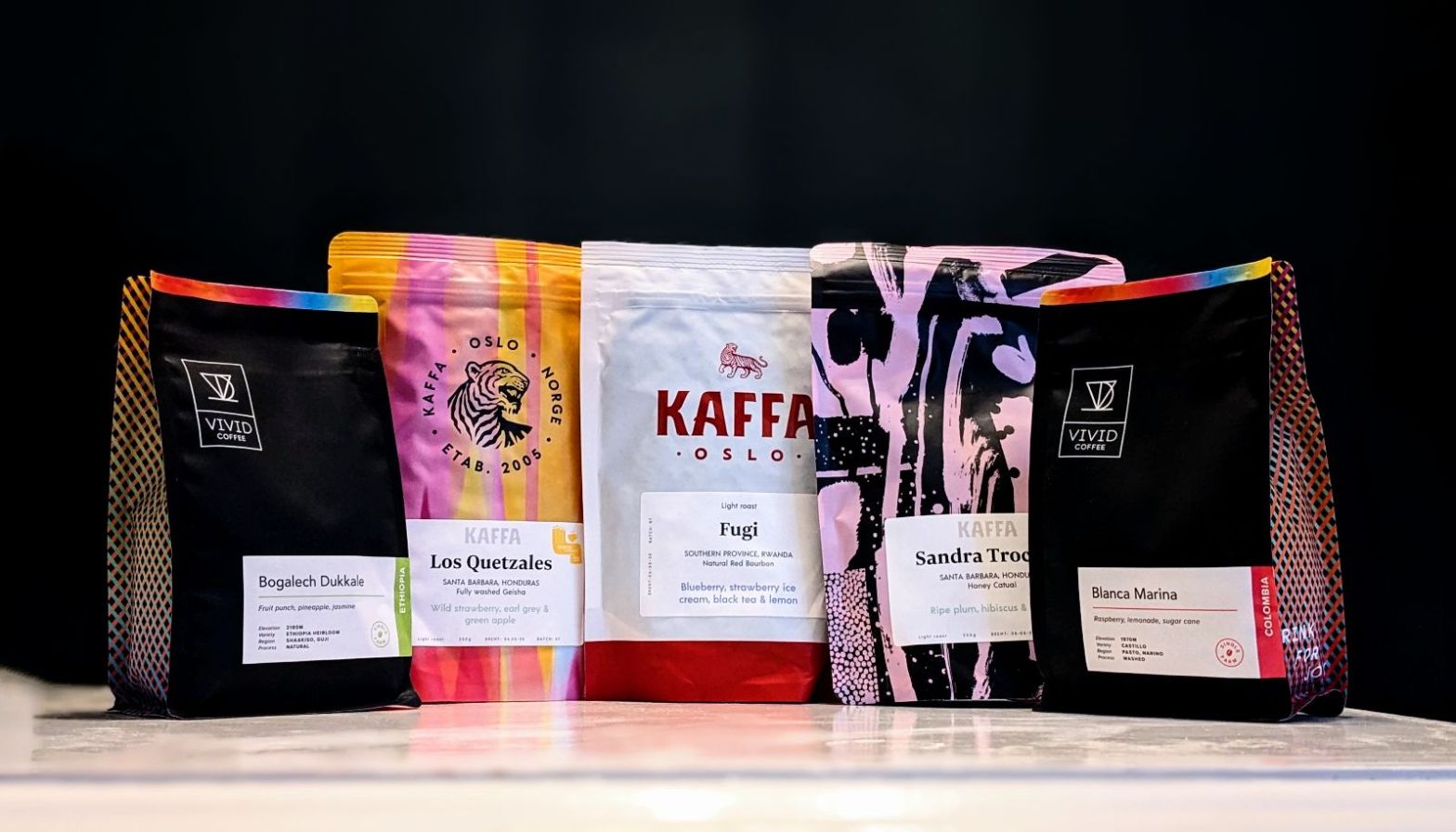
Kaffa Rwanda Fugi – This absolute fruit bomb comes from a small plot in southern Rwanda near the Burundi border and the Nyungwe National Park. Fugi is a washing station operated in the BAHO network, a company that operates several washing stations in the region. Fugi is one of the first mills in the network, and is considered an innovation hub of the network. Over half of the green coffee from last years harvest was processed using alternative methods, with anaerobic being the hot girl of the season (as with everywhere else). BAHO exported 900 sacks of green coffee last year, a sign of growing demand for delicious specialty coffee from Rwanda. This coffee is a classic full natural Red Bourbon, the majority varietal produced in Rwanda. In the specialty market, that is. This cup smells like straight up blueberry pancakes. I used a 15.6:1 ratio, and ground this two clicks coarser than my typical starting point. I poured three pulses spaced out by 30 seconds, finishing my third pour at 2:10 for a 3:00 brew time.

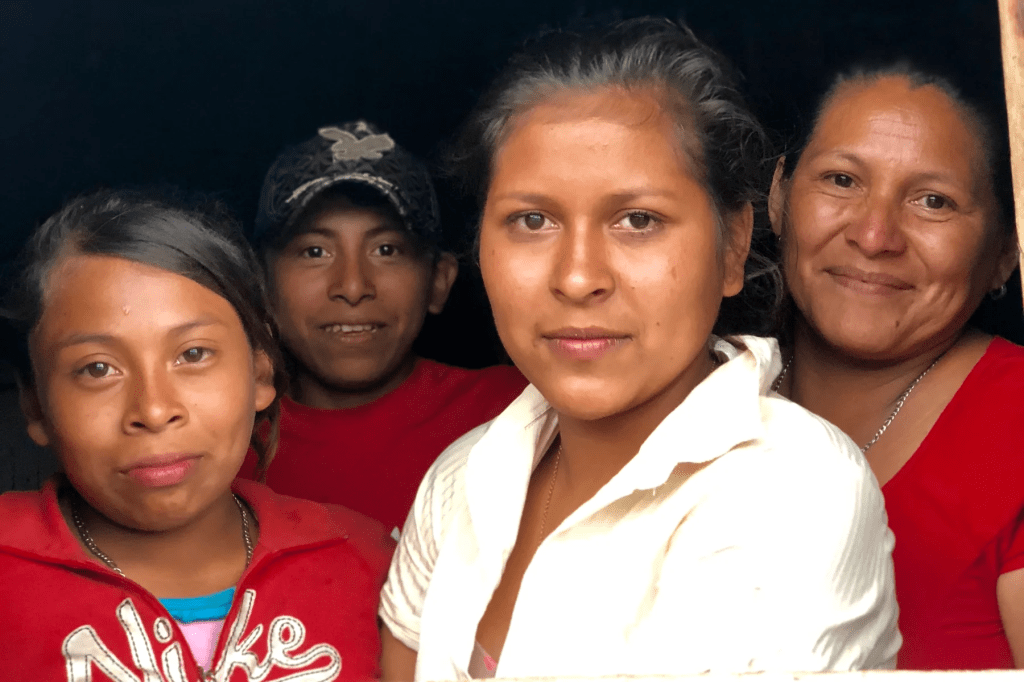
Kaffa Honduras Sandra Trochez – Sandra Trochez is yet another wonderful small producer in the Santa Barbara region of Honduras that Kaffa works with. They have had excellent luck in the region since I have been buying from them and the consistency from year to year continues to impress. The farm this is sourced from is Don Amado, a coffee we have had from Kaffa before. Amado passed away in 2019, and his wife Sandra Trochez operates the farm along with their four children continuing the legacy that the original Don Amado, father-in-law of Sandra has built. This coffee is a honey-processed catuai. The cherries are dry-fermented for 15 hours before depulping and wet processing. The cup is sweet, spiced, and crispy. I tasted spiced apple, maple sugar, with dry minerality. I brewed this with a 16:1 ratio and ground it two clicks finer than my typical starting point. I poured three pulses spaced out by 35 seconds, finishing my third pour at 2:20 for a 3:10 total brew time.

Sandra Trochez and her family 🙂

Vivid Ethiopia Bogalech Dukkale – The first single-farm Ethiopia from Vivid! This is from Sidamo, and comes from Shaakiso, Guji. The craziest thing about this coffee for me is the elevation, and being a natural process. At 2180 MASL, this is much higher than a lot of Ethiopians we are used to. Typically the highest elevation Ethiopians at around this level are ALWAYS washed. At least in my experience. This being natural, the flavors are so so clean and clarified but still has the ripe fruit notes that natural Ethiopians are known for. Bogalech is a mother of six, and is a coffee producer owning a four hectare plot in Guji. Her parents were coffee farmers on this plot and they have carried down the wisdom of excellent coffee production. This cup has washed Ethiopian flavors like lemon and lavender combined with natural Ethiopia flavors like blackberry. and sweet sugars. I brewed this with a 15.5:1 ratio and ground it 8 clicks coarser than my typical starging point. After a 50 second bloom, I poured two pulses spaced out by 45 seconds, finishing my second pour at 2:05 for a 3:05 brew time.

Vivid Colombia Blanca Marina – Blanca Marina is the name of the producer Vivid has been working with consistently for some years now. She recently passed away, but had been producing coffee for decades, and now we look to her daughters, granddaughters, and great-granddaughters for help on the farm – called “El Aguacate”. While a simple Narino Castillo, the harvesting and processing methods are advanced and meticulous. The flavor yield is an exciting cup with balanced, bright fruits and a great example on why standard washed Colombians continue to be the most exciting coffees. The fermentation was a standard 24 hours in tanks, then dried for two weeks on raised beds. This means the extra fruit flavor in this coffee comes directly from the cherry ripening longer than typical. The flavors in the cup are vibrant. Brown Sugar, Dark Plum, and hibiscus. I brewed this with a 15.5:1 ratio, and ground it two clicks finer than my typical starting point. After a long 50-60 second bloom, I poured three wide pulses spaced out by 35 seconds. I finished my last pour at 2:35 for a 3:15 final brew time.

April 2025 – Little Wolf and Clever

Little Wolf Ethiopia Goraa Bees – I chose this honey-process Ethiopia here over a natural to shake up the lineup a bit. Goraa Bees comes from the Suke farming co-op in Guji, and is narrowed down to two distinct Ethiopia Heirloom varietals: 74110 and 74112. The Suke co-op is renowned for the strict quality standards for cherry selection and processing. Most coffees are grown at 2100 MASL, and as a honey-process done in Ethiopia, this coffee was stripped of most fruit but not fully depulped. Then dry fermented before washing and drying. In the cup I taste Honeydew, cinnamon sugar, and red plum. I brewed it with a 15.8:1 ratio and ground it five clicks coarser than my typical starting point. I poured two pulses spaced out by 40 seconds, finishing my second pour at 1:55 for a 2:55 final brew time.

Little Wolf Colombia Asoastus – Asoastus is a “Bourbon Aji” varietal, a landrace variety discovered 20 years ago known for a distinct spicy/peppery profile. Aji has been making its way to the specialty market slowly, as crops are just beginning to come to fruition. Asoastus is a farming cooperative made of around 70 families, each focusing on how to create the best quality that each varietal offers. All of the farmers are located in Pitalito, Huila. The majority of the plots include shade trees and/or forest cover. Bourbon Aji produces a bright red cherry, making the ripest cherry picking an essential must to production. After harvest, the cherries are set out for an open air 24 hour oxidizing fermentation, followed by an 18 hour anaerobic fermentation. The cherries are then dried for 30 days on parabolic sun dryers. This cup is bursting with ripe fruit. Papaya, sour mango, I brewed this with a 16.6:1 ratio and ground it two clicks finer than my typical starting point. I poured four pulses spaced out by 30 seconds, finishing my last pour at 2:35 for a 3:10 final brew time.

Clever Kenya Kabingara – The Kabingara washing station comes from Kirinyaga, Kenya and has all the Kenyan varietals mixed in: SL28, SL34, Ruiru 11, and Batian. As I am sure people have noticed, good Kenyan coffee has decreased dramatically from where it used to be. Most of this is due to climate change, I have read studies that over 90% of Kenyan coffee farmers have experienced loss of trees and lower yield in the past years due to climate change, and of course the cherries that have remained have occasionally been of lower quality due to harsher conditions. This is a classic Kenya double wash, where the seeds are washed and soaked after pulping with clean water and then soaked for a fermentation. In Kenya, the additional fermentation is believed to increase fruit and acidity in the coffee, which Kenyan coffees are of course famous for. This is a stunning example of a classic Kenya done well. I tasted lime, fresh figs, and celery (in the best way it could be). I ground this one four clicks coarser than my typical starting point and brewed it with a 15.6:1 ratio. I poured two pulses spaced apart by 45 seconds, finishing my second pour at 2:00 for a 2:50 final brew time.

Clever Indonesia Frinsa Funk – The Frinsa Estate is operated by local legend Wildan Mostofa. In a country dominated by Robusta and a dark history of colonialism, Mostofa is working toward setting a standard of quality and dedicated processing. This coffee is a unique hybrid of Arabica and Liberica from West Java. The varietal was developed for high disease resistance and excellent for strength during climate change swings. This was processed as a “lactic anaerobic natural”, meaning the cherries were sealed in fermenters and lactic bacteria was introduced to convert sugars in to lactic acid. Introducing lactobicillis into the tanks creates a great temperature challenge, as changes in temperature can increase or decrease the bacteria activity and could ruin the batch. This cup is truly a freaky lil guy. I taste rye bread up front, with ginger, banana, and cardamom. Once it cools it turns into more of a dark fruit cup with blackberry tones. I brewed this with a 15.8:1 ratio and ground it two clicks finer than my typical starting point. I let my bloom ride for a full minute, and then I poured three pulses spaced out by 40 seconds, finishing my last pour at 2:40 for a 3:15 final brew time.