

Little Wolf Ethiopia Qonqana – Coming to us from Bombe, Ethiopia is Qonqana washing station. Or, Bombe Qonqana washing station. This is a farming co-op, known to locals as the “Mother station” and processes coffee from approximately 1,020 local smallholding farmers. This is a 2,000 MASL washing station, fairly standard for this region of Ethiopia. They process washed, natural, and honey processed coffees, mostly two specific local varietals (74110 and 74112). This lot is honey-processed, meaning there is parchment left on the seed but the cherry is pulped. The parchment covered seeds are rotated and turned regularly and methodically over the course of 15-20 days before being fully stripped and cleaned. I taste lavender, green tea, mango, and laffy taffy. Super fruity, and overall a very fun coffee. I brewed this with a 15.5:1 ratio and ground it 7 clicks coarser that my typical grind setting. I poured two drawn out pulses, spaced out by 45 seconds and finishing my second pour at 1:50 for a 2:50 final brew time.
Little Wolf La Pradera – To any new people, welcome to the sweet grace that is La Pradera. Every time I buy this coffee it is an absolute stunner. La Pradera is a lovely estate at the El Jardin co-op in Huila. The farm sits at around 1850 MASL, and this lot is a washed ❤ PINK BOURBON <3. Little Wolf is heavily invested in their relationship with La Pradera, securing each harvest whether it be Pink Bourbon, Gesha, or Castillo. In this cup I taste bergamot, pomegranate, with a sweet orange finish. A punchy, sweet coffee. I would expect nothing less from a La Pradera coffee. I brewed this with a 16.3:1 ratio and ground it one click finer than my typical starting point. I poured a 35 second bloom, and then three pulses spaced out by 35 seconds. I finished my last pour at 2:10 for a 3:05 final brew time.
Kaffa Peru Damian Espinoza – Another annual favorite of mine: Damian Espinoza. This coffee is always on my list of annual Peruvian coffee to seek out. Damian Espinoza owns the coffee plantation “Finca La Palma” in the Cajamarca department. This is the first washed coffee I have tried from Espinoza, and the first I have used in the subscription. It is a Yellow Caturra, a varietal famous in Peru and typically has a sticky fruit sweetness and a clean overall vibe. This cup tastes of sweet marshmallowy clouds, with lemon zest, and pinot noir. I brewed this with a 15.7:1 ratio and ground it right at my typical grind setting. I poured four pulses spaced out by 30 seconds, finishing my final pour at 2:30. My drop time was 3:15.
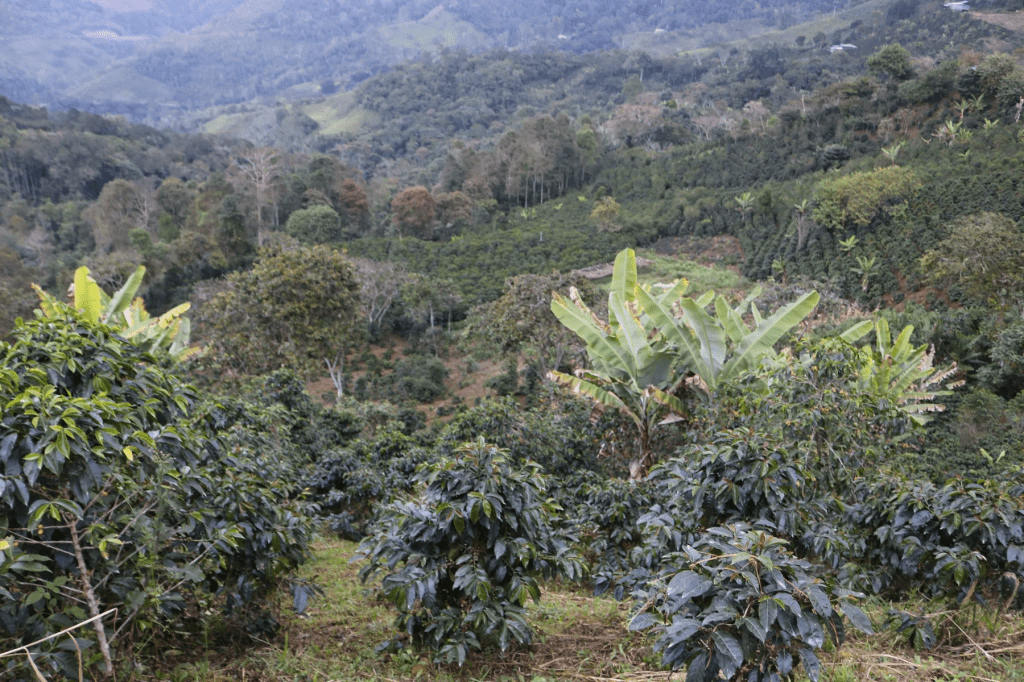
Kaffa Honduras Miguel Moreno “El Filo” – From the legend Miguel Moreno, we have this slightly difficult to brew washed Anaerobic Pacas. Kaffa has been working with El Filo for over a decade, buying coffee from each of the Moreno siblings. The Moreno family has consistently placed in every Cup Of Excellence competition, basically since it began, competing with local Santa Barbara legends like Ben Paz and El Cedral. Truly a dense region of quality coffee producers. This will not be a funky fruit-bomb like some of the Anaerobic coffees people have come to expect, as this is fully washed with parchment stripped before being placed in the sealed fermenters. I have found this process typically produces less of a fruit profile and more enhances sweetness or sugar flavors. In the cup I taste coconut, vanilla, and macadamia nut. This is not really what I would consider bright or clean, more on the spices side. I do recommend letting this coffee cool, as more sweetness presents itself. I brewed this with a 15.7:1 ratio, and ground it two clicks coarser than my typical grind setting. After a 35 second bloom, I poured four pulses spaced out by 30 seconds, ending my last pour at 2:20 for a 3:15 total brew time.
 Stimulus Coffee Club