

Vivid Colombia Luz Divia Fierro Pink Bourbon – My first coffee ever from Luz Divia Fierro is of my favorite Pink Bourbon varietal, grown at 1650 MASL in the Acevedo district of Huila. Luz is among an emerging class of next level female coffee producers – she grows coffee with her husband’s father Elpidio, who originally owned the farm before passing it down, along with his vast knowledge of harvesting and processing. The actual farm name is El Meson; the earth consists of mostly loam soil with pockets of sand. The property features a waterfall and is partly on a national forest reserve. Luz planted around 20,000 Pink Bourbon trees several years ago when she began running the farm. This lot was washed and fermented for 40 hours total before depulping, and then dry fermented for an additional 24 hours before being thoroughly washed clean of any remaining mucilage. I tasted orange marmalade, a hint of jasmine, cranberry, and on the finish that good good Mott’s Applesauce. I ground this sweetie one click finer than my typical starting point and brewed this with a 15.5:1 water to coffee ratio. I poured three pulses spaced out by 35 seconds. If you notice your bed dropping super fast or even falling all the way below grounds, try pouring wider circles in a faster motion to stop that up. My third pour finished at 2:40 and my final brew time was 3:25.
Vivid Honduras Nahun Fernandez Pacas – It has been a minute since we had Nahun Fernandez coffee, the first time was early 2021. This coffee is just as interesting, as a fully Natural processed Pacas grown at 1600 MASL at the farm. Nahun harvests only the ripest cherries, then lays out the cherries to ferment in the sun. Once this is complete, the cherries are brought to the dry mill that Nahun and his family built and share. The collaboration with family, each of whom is performing their own experimentation techniques is pushing each of them to produce better coffee. Nahun is already advancing so fast that I can taste the progress from last time we used them in subscription as well as a random Parainema I had last year. I tasted melon and kiwi, with a mapley sweet finish. with super balanced acidity. This is much more delicate than expected which is a good thing to me, typically these coffees can be a little heavy. For brewing, I ground it 2 clicks finer than my normal starting point and brewed this with a 16.2:1 ratio. I let the bloom go for super long but as the coffee ages I will probably shorten it. Bloom should always be as long as the coffee needs it to be. I poured four pulses spaced out by 30 seconds, finishing my last pour at 3:00 for a total brew time of 3:35.
Clever Uganda Zinule – I had no idea what to expect with this one… I did not even know the process when I decided on it truthfully. This is a Washed SL14, SL28, and SL34 blend that comes from a brand new washing station called Bulambuli in Mt. Elgon, right up against the border with Kenya. Ben Mukhone is the official owner of the washing station and is working with Nordic Approach for importing purposes and education of local smallholders that supply the washing station with cherries. Most of the smallholders are growing coffee between 1800 and 2300 MASL, but typically averages around 2000. The idea behind bringing in these Kenyan varietals is interesting to me, as they have historical success and in my mind, can nearly guarantee quality with proper growing techniques and processing. Basically, if these gardens are bordering Kenya, what can be done to ensure the growing is done properly? This is where Nordic Approach knowledge comes in to assist and educate every level of the production line. In the cup I tasted Boysenberry, apple, and fresh strawberry jam. This is a super Kenya-esque cup but honestly it is cleaner, less acidic, and more balanced fruit. One of the best I’ve had and I will remember this coffee for a long time. I brewed this with a 16:1 ratio and ground it 2 clicks coarser than my typical starting point. I poured three pulses spaced out by 35 seconds. As typical with Clever, the bloom couldn’t last long since these coffees are LIGHT. My third pour finished around 2:10 for a 3:10 drop time.
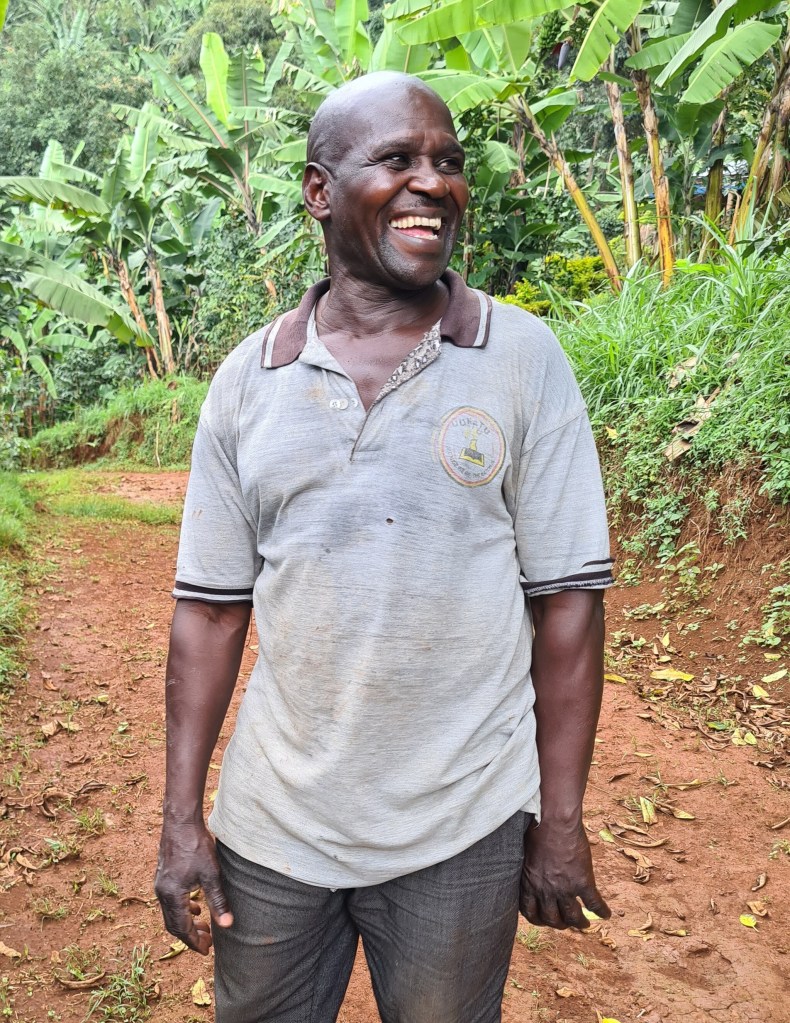
Clever Kenya Ruarai – Ruarai is the name of the river that runs alongside this gorgeous washing station located in Nyeri town in central Kenya. By now we all know my immense love for Nyeri and the bright, tropical flavors we taste from here. The Ruarai station is owned and operated by the Ruthaka Famers Cooperative Society, an organization in Nyeri that is made of several hundred smallholding farmers with an average garden size of 0.4 Hectares. Most of these farmers grow their coffee on the slops of Mt. Kenya. At the Ruarai station, water from the Ruarai river is used for all washing and processing. As with this specific blend, mostly all of the coffee brought here ends up as Washed process and is a mix of SL28, SL34, Batian, and Ruiru-11. Each farmer does their own sorting for ripe and unripe cherries. Once delivered, the cherries go through a disc pulping machine that removes the skin and external layer of pulp. The coffee seeds are then graded in to levels 1-3, and level 3 is thrown out due to low grade. In the cup I was blasted with raspberry, mandarin orange and ended with honey or almost candy sweet. Not as dry or heavily acidic as many Kenyans but still has playful brightness. I brewed this one with a 15.8:1 coffee to water ratio and ground it three clicks coarser than my typical starting point. I poured three pulses spaced out by 40 seconds, finishing my final pour at 2:30 for a 3:20 drop time.
 Stimulus Coffee Club