
Kaffa El Pino – I sincerely wish I could have gotten this one to more people as it was the surprise this month. I don’t know why it was a surprise, as it is the #2 Acevedo cup winner. Maybe I’m just a bad person with bad coffee intentions? El Pino is the farm of famous producer Maria Asecencio. This lot is a classic washed Colombia varietal. It was wet fermented (washed) for just 12 hours and then removed and dry fermented (natural, kind of) for 36 hours. This produced a CLEAN CLEAN cup with acidity and stone fruit. Asecensio included the following note for all drinkers of her coffee: “I’d like to tell the consumers that my life has not been easy. I got where I am with discipline, dedication and work. I have obtained my things and I have a wonderful husband who supports me in my daily ventures and I am very committed to the quality of coffee. My pride is to get to be differentiated in the national and international market. I hope you like my coffee since it is processed in a clean and safe way and with great effort.” This cup is jammy, clean, full of blackberry, vanilla, finish of geranium flower and/or wormwood (Yes i’m saying it is a little Malort-y). I brewed this with a 16:1 ratio and ground it right on the click of my usual Colombia grind setting. I poured four pulses spaced out by 30 seconds, finishing my last pour at 2:20 for a 2:55 drop time.
Kaffa Kenya Berco – One of the greatest benefits of working with European roasters is the connection to producers in African countries. I am not sure how they build the relationships so much faster than U.S. roasters, could possibly just be proximity in geography. Berco is the name of Theophilas Mwangi’s farm in Nyeri, Kenya. Berco has the luxury of rich, volcanic soil perfect for growing coffee. Typically the lots are grown at 1750-1800 MASL and Mwangi exclusively grows SL28 and SL34 trees. No Batian bullshit. This is a glorious Kenya with big sweetness and more reserved acidity than typical. I tasted Scuppernong, Grapefruit, raspberry, with a lingering molasses finish. The sweetness was rounded out and danced alongside the bright fruit notes. I brewed this with a 15.5:1 ratio and ground it four clicks coarser than usual starting point. I poured two pulses slowly with wide circles to extend the brew time slightly, finishing at 1:50. My drop time was 2:40.
Vivid Colombia Pink Bourbon – I sure hope everyone has been enjoying the Pink Bourbon as much as I have, because it is basically a 100% confirmed subscription coffee when a roaster has one. This one comes to us from Gabriel Castano, a farmer from Huila. Huila has always been associated with quality, however, recently the clean profiles always associated with the region have gone from just “nice” coffee to exotic and exciting. Gabriel Castano stumbled on the Pink Bourbon tree early on in the history of the varietal. It tasted fantastic, as PB does. Gabriel decided to plant as much PB as possible. The mutation of Bourbon was originally loved by farmers as it was resistant to rust and did not require as much fertilizer but results have been inconsistent. Gabriel is one of the farmers that belongs to a cooperative in Huila that Vivid has committed to working with year after year and ordered this lot directly. This lot specifically was fermented for 90 hours (24-36 hours is standard) and this extension ramped up the tropical fruit notes to beautiful levels. I tasted Cranberry, Pink Lemonade, and Cabernet. I brewed this coffee with a 15.3:1 ratio and ground it at my typical starting point. I poured three pulses staged by 35 seconds, with a drop time of 2:45.
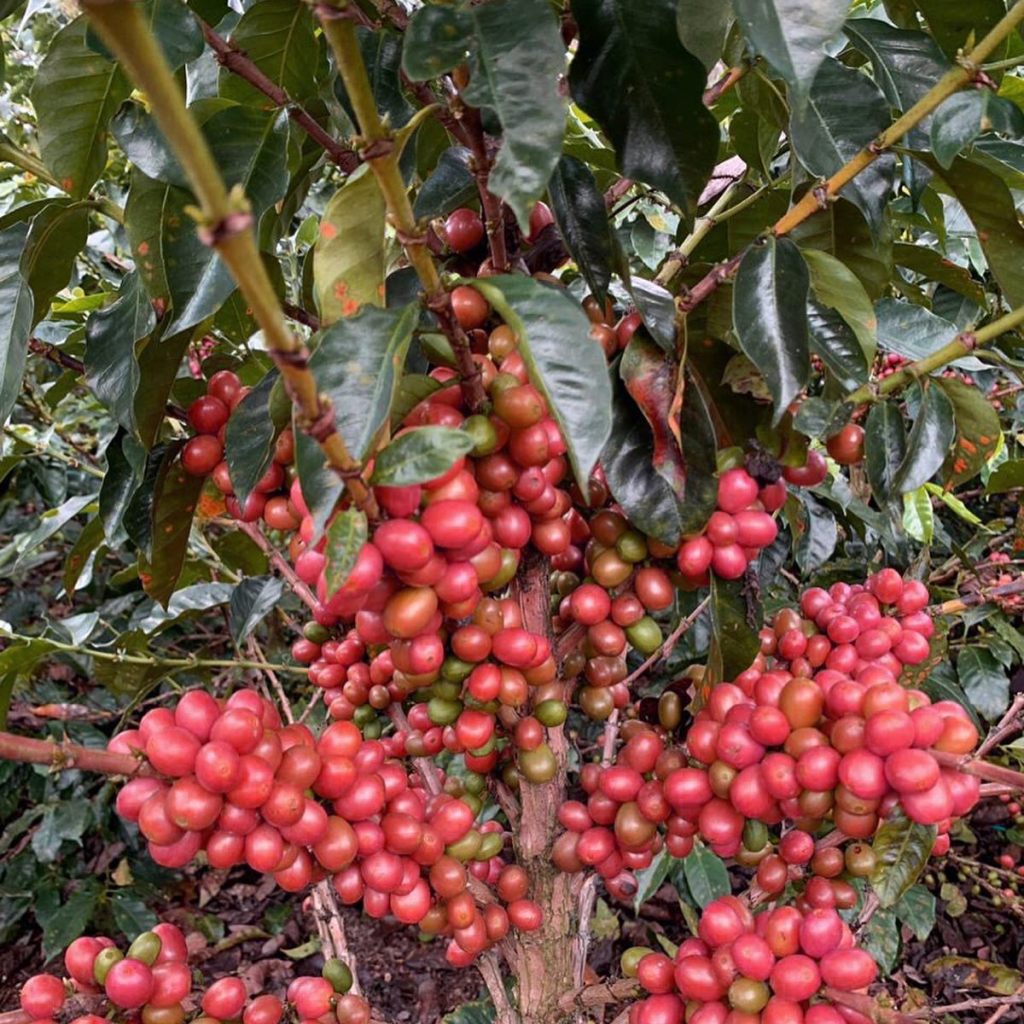
Ethiopia Raro – This one stood out to me on the cupping table because of the intense red fruit. It was sitting next to another washed Ethiopia that had a classic profile that was beautiful. This one felt more exotic and out of the norm for a washed Ethiopia. Raro is a washing station located on Uraga, my favorite region in Ethiopia. Raro is comprised of 543 smallholding farmers, so any traceability on producer or varietals is typically impossible. We do know that all coffee is grown locally meaning staggering elevations of 2200 MASL. This is a standard Uraga washing process, fermented for around 36 hours and dried on African Beds for Two weeks. Tasting the Raro next to the other Ethiopia was interesting because while the Raro does have the classic notes of lemon, lavender, and jasmine, I was not even thinking about this as all I could taste was the extra. The extra consisted of wild strawberry and raspberry. I sincerely wish I would have ordered more for myself after the original sample. I would also recommend using this for espresso and/or cold brew. I brewed this with 15.7:1 ratio and ground it 5-6 clicks coarser than the typical starting point. I poured two pulses, one from 30-60 seconds, and the second from 75-110 seconds. My drop time was 2:25.
P.S. – I had the chance to visit Vivid last month in Burlington at the new shop and got to see the new beautiful black and gold roaster. Hopefully next time around we can try coffee from it once it is hooked up.

 Stimulus Coffee Club