

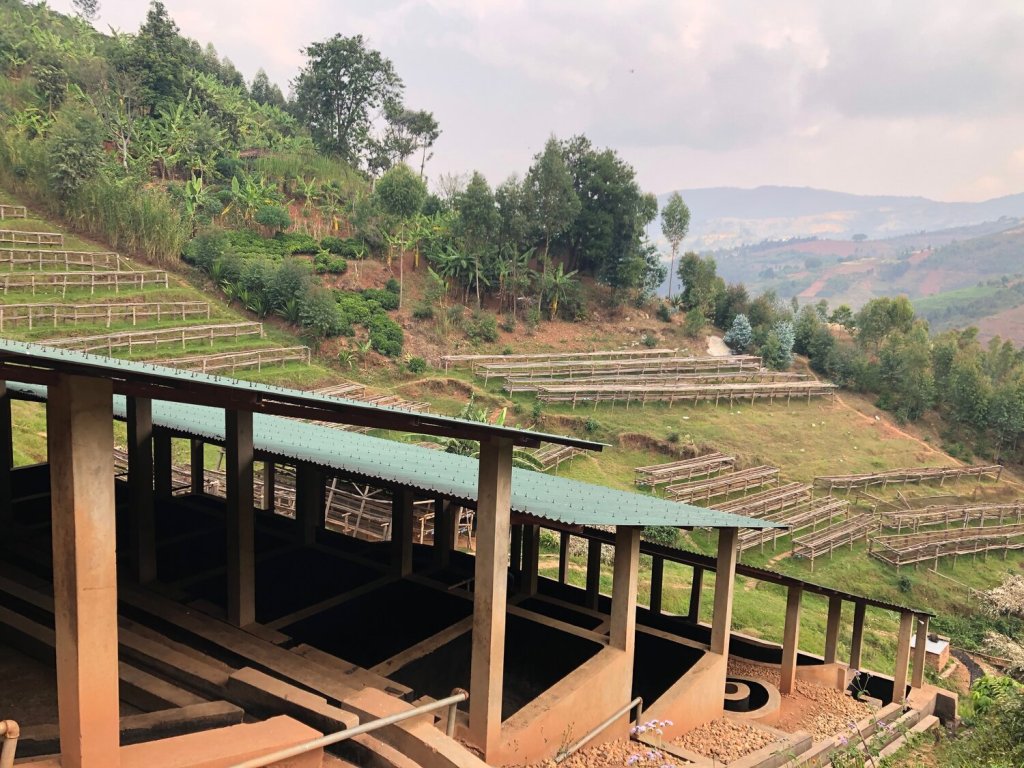
The Barn Ethiopia Bombe – Ok so I know this is almost cliché since this is an Anaerobic Ethiopia but holy shit everyone this one is a winner. The anaerobic process was MADE for Ethiopian coffees and I’ll try to include more of them as they are freakishly good. The word Bombe basically comes from the village the washing station is located in. The washing station is owned by Dukale Wakayo, who owns multiple washing stations in Guji, Gedeo, and Sidamo. This network of washing stations also works with a network of producers and smallholders that work together to create more traceability and quality control in the growing process. Having said that, the traceability on this lot is low. Or there are just so many varietals blended they are not worth mentioning. I knew from the instant I ground this coffee that it was going to be a winner. The control of the natural processing using the Anaerobic method gave way for much less fermentation flavor and more sweetness. I tasted flavors of rock sugar, cherry Fun Dip, and strawberry. I ground this one a few clicks coarser than normal, and used a 16.5:1 ratio. I poured three pulses spaced out by 35 seconds, and finished my last pour 2:05. My drop time was 2:45.
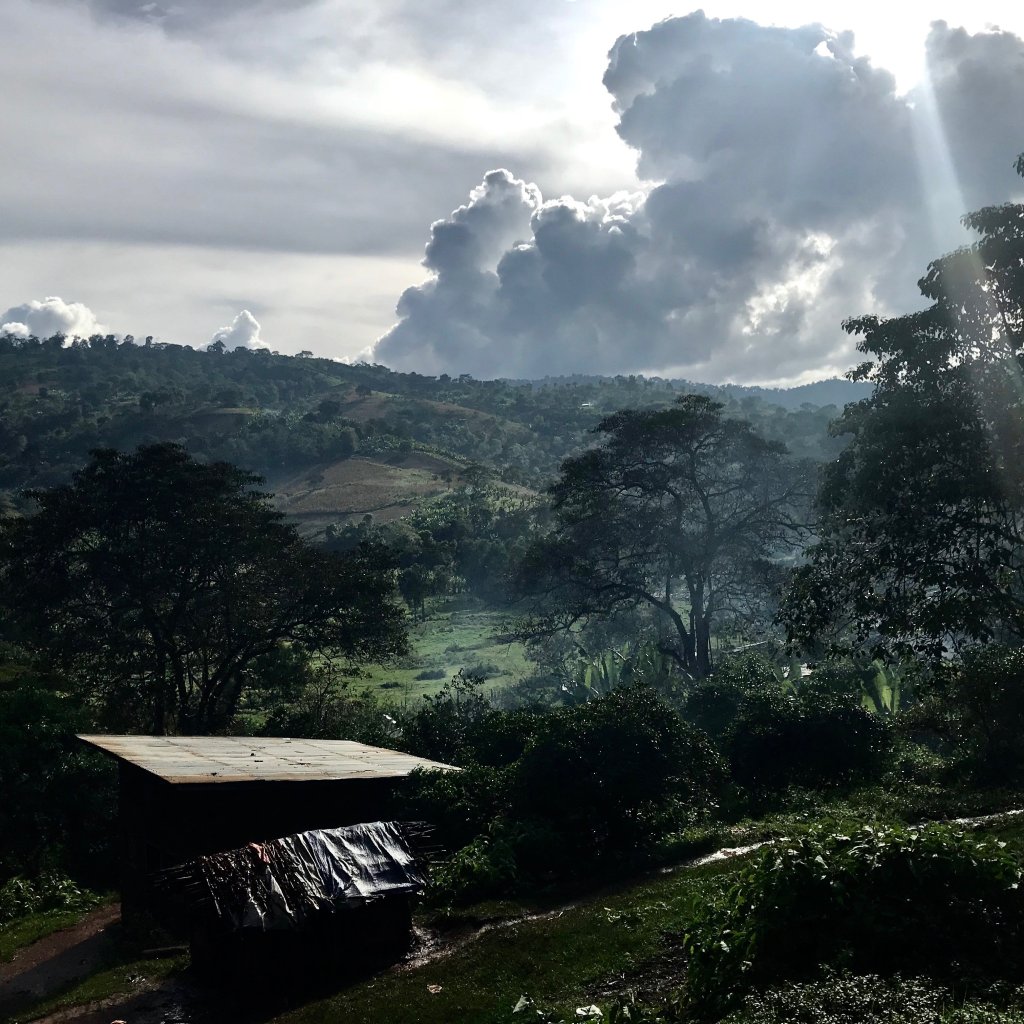
The Barn Guatemala La Nueva Montana – I was JUST talking to someone about how Guatemala has not made the same strides as other neighboring countries in the last few years. Four or five years ago, I would have preferred Guatemala to Honduras or Colombia. However as mentioned, other countries are making huge progressive strides in processing, genetics, and picking. So I am happy to see this coffee come from a small farm with high quality picking and advanced processing techniques. If Guatemala starts doing better with their producing, they surely will be the coffee BAE. This lot is grown by producer Antonio Gonzalez just outside of the capital. Antonio takes climate resources seriously and therefore tends to produce less washed coffees due to excessive water needs. This means most coffees are honey-processed or natural. However, you can’t just not produce washed coffee and expect it to be ok. The attention to detail on these fermented cherries gives way to a clean profile with structured flavors. The cherries are taken down from the mountain and placed in sealed bags for a short 14 hour overnight fermentation; and then depulped the next day before drying. This short fermentation time hardly counts as a natural process in my book, but I would prefer a clean and bright natural to a funk bomb. This coffee basically tasted like a snickers on my first brew. You can google the ingredients to that if you want but I don’t see a point in being dramatic here. I love a snickers. I also got some delicate fruit notes on the second brew such as concord grape and blueberries. I ground this coffee surprisingly coarse for being from Central America; like three clicks coarser than I would have expected. It kind of goes against everything I know based on this being a natural process from Guatemala but that is part of the fun! I used a 16.2:1 water to coffee ratio and poured three pulses, finishing at 2:10. My drop time was 2:55.
Kafferaven Rwanda Rushashi – The choice to pick this coffee for this month was a no-brainer. A kilo of this sweetie got me through the month of April last year when nothing was right in the world except for this juice bomb. On paper, this coffee really is nothing special – a Natural Process grown between 1700-2000 MASL at a Rwandan co-op. However, what sets it apart is the care given to the coffee. The co-op is operated by mostly women who take the work extremely seriously. They know the world wants better coffee and they know that Rwanda has the potential to produce some of the tastiest coffee in the world. While I cannot speak to the exact details of what makes the work they do progressive and unique, it is obvious in the coffee. Right away, I tasted honey Ceylon Tea, which is amazing as a first tasting note for a natural. This follows with a fresh peach and dried date note. This coffee is once again SO dynamic and juicy. I ground this coffee slightly coarser than usual starting point and used a 16:1 water to coffee ratio. I poured two pulses spaced out by 45 seconds, finishing around 1:45. My final brew time was 2:25. The faster brew time helps keep the cup clean and attempts to hide defects that can occur in a longer brew time with a coarse grind.
Kafferaven Burundi Mutana Hill – This high elevation Kayanza-grown lot comes from the Mutana Hill collective where 858 (Kafferaven’s prediction) smallholders produce their coffee. The elevation here ranges from 2000-2200 MASL, which for Burundi is considered quite high. Mostly Bourbon is grown here as with all of Burundi. Most of the farmer’s lots are pooled together and taken to an offsite washing station. This collective has been working with Kafferaven for only one year. I assume this relationship was built while Per was in Kenya (and was stuck for a few months during the beginning of the pandemic). The views Per described sounded insane because of the mountainous terrain and I want to go so bad and do coffee research. The flavors in this one were all over the place. I first tasted bubblegum, then tobacco. On the second brew it turned in-to a total classic washed Burundi. Orange zest, date, ginseng, and lime. The flavors that led me to first love coffee from Burundi. I ended up going way coarser than expected for this coffee. I started two clicks coarser and it still was too astringent, which is why I may have gotten tobacco notes. So I ended up going four clicks coarser. My ratio was 16.3:1, and surprisingly this brought our more citrus and acidity. I say surprisingly because typically a faster brew time does this. I am still going to attempt that faster method to see what I can get out of it. For this method I poured standard four pulses spaced out by 30 seconds with a 3:10 drop time. Super clean and structured coffee.
 Stimulus Coffee Club